A slowly dropping tire can be confusing when there is no nail in sight. Pressure loss without a clear puncture is common, especially with Florida heat, rain, and potholes. Here are the five most likely causes, how they show up, and what to do before a small issue turns into a ruined tire or bent wheel.
1. Temperature Swings and Natural Air Permeation
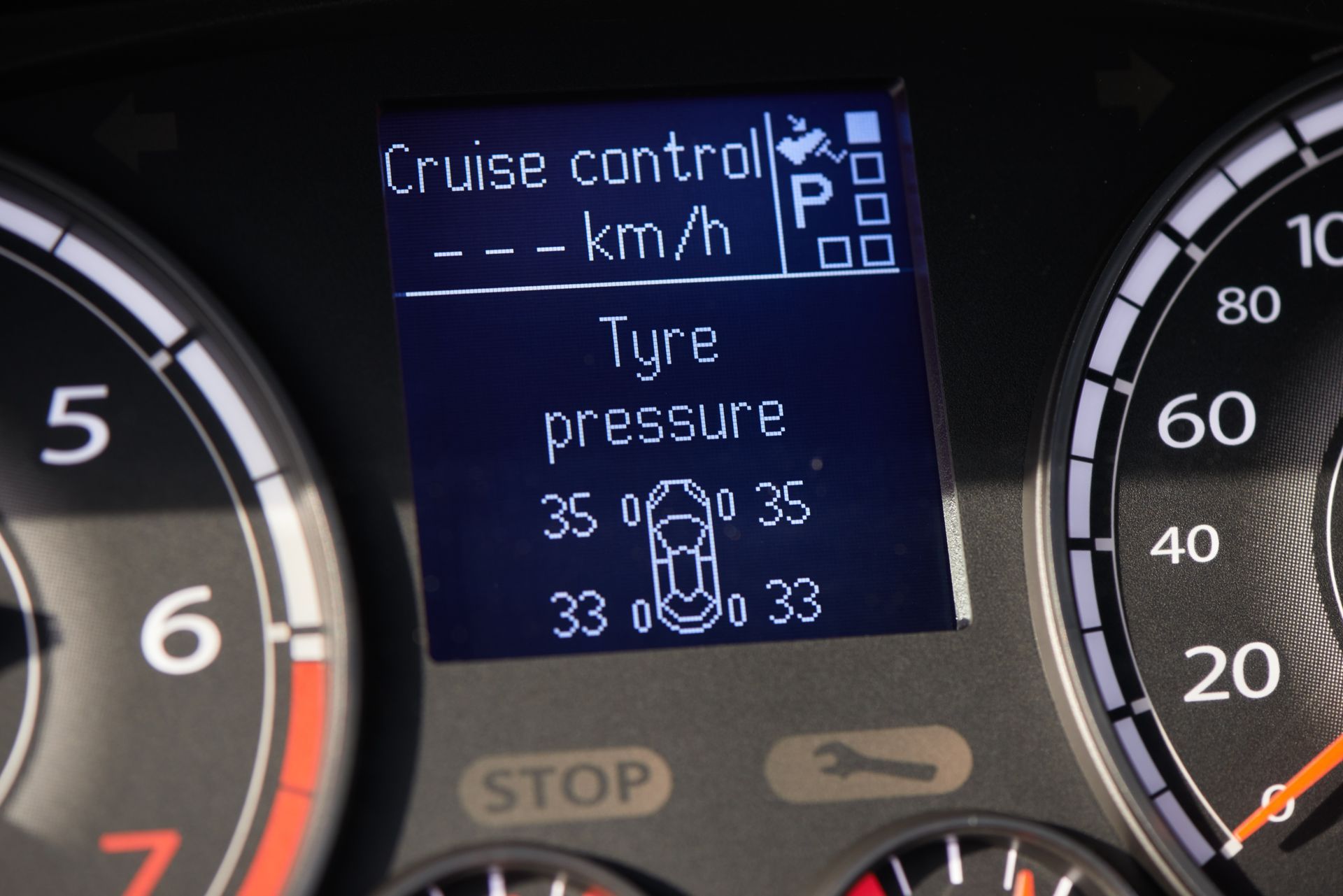
Tire pressure changes about one psi for every 10 degrees of temperature change. A cooler morning after a hot day can make a perfectly airtight tire read low. Air also slowly permeates through the rubber liner over time, a normal process that is faster on older tires. If pressure drops a few psi after a cold front or a thunderstorm, you may not have a leak at all. Set pressures early in the morning with tires cold and recheck monthly so you are not chasing normal fluctuation.
2. Valve Cores, Caps, and TPMS Stems
Small parts can cause big headaches. A dry or nicked valve core can seep, and a cracked metal TPMS stem can leak at the base where it meets the sensor. Plastic caps that split allow moisture and grit into the valve, which wears the core seal and starts a slow loss. Light soap bubbles around the valve will show tiny fizzing leaks you cannot hear. In our bay, we often solve “mystery leaks” with a new core, a proper metal cap with a seal, and a torque check on the TPMS stem.
3. Bead Leaks and Wheel Corrosion
The “bead” is the inner edge of the tire that seals against the rim. Corrosion on the wheel’s bead seat, leftover mounting paste, or a slight bend from a pothole can let air escape molecule by molecule. Coastal air and road splash accelerate alloy corrosion, which shows up as a chalky line around the rim. A lasting fix means demounting the tire, cleaning the bead seat to bright metal, applying fresh bead sealer, and remounting. If the lip is bent or deeply pitted, wheel repair or replacement is the smart move to keep pressures stable.
4. Tiny Tread Injuries and Sidewall Flex Damage
Very small tread injuries from glass slivers or construction wire can seal for a while, then reopen as the tire flexes. Sidewalls are especially sneaky because the hole closes under weight and opens overnight, leaving a low tire in the morning. Sidewall damage is not safe to repair because that area flexes every revolution. A clean, small puncture in the tread away from the shoulders can usually be repaired properly with an internal plug patch, but anything on the shoulder or sidewall calls for replacement to protect you at highway speed.
5. Bent or Cracked Wheels and Poor Seating
A rim with a flat spot from a pothole can look fine at a glance, yet leak at the bend. Hairline cracks at the inner barrel also bleed air slowly and only show up under a dunk test. Even a well-made wheel can leak if debris accumulates on the hub face, preventing the rim from seating perfectly during installation. If one corner drops a few psi every week while the others hold, ask for a wheel runout check and a dunk test. We also clean hub faces during tire service so the wheel sits flush and seals consistently.
Repair, Replace, or Reseal: Choosing the Right Fix
- Valve core or TPMS stem leak: Inexpensive to fix.
- Bead leak: Usually solved with a thorough clean and reseal.
- Repairable tread puncture: Use a proper inside plug-patch, not an outside string alone.
- Bent rim lips: Often can be straightened.
- Cracked wheel barrels: Typically require wheel replacement.
- Uneven tread from driving low: Replace the pair on that axle to keep handling balanced and braking predictable.
How Regular Maintenance Prevents Repeat Drops
Set pressures monthly, rotate tires on schedule, and request an alignment check if inner shoulder wear appears. Clean wheels prevent salt and brake dust from creeping under the bead.
Avoid aggressive curb angles when parking, and watch for standing water that hides deep potholes. Small habits like these keep the casing healthy so it holds air the way it should.
Get Reliable Tire Leak Diagnosis in Jacksonville with Power Tire
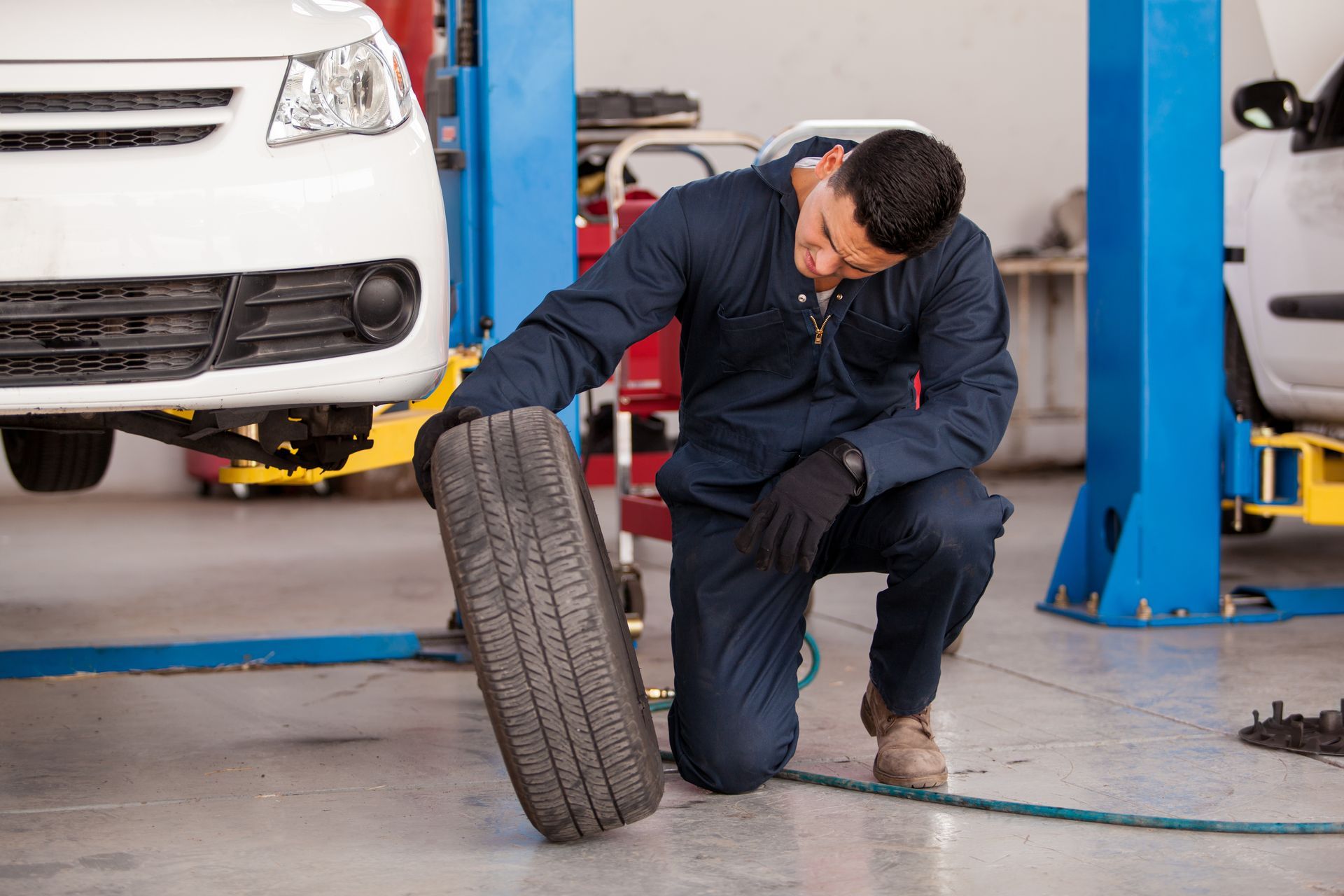
If a tire keeps losing air without an obvious cause, stop by our Jacksonville shop. We can test the assembly, check the valve and TPMS stem, clean and reseal the bead, and repair tread punctures the right way so pressures hold.
Our technicians set pressures to the door label and verify alignment, so you leave with steady readings, even wear, and a quieter, safer ride.