Fleet vehicles rack up miles under heavier loads, on tighter schedules, and in more varied conditions than most personal cars. Tires carry that entire workload. When a tire fails on a delivery route or highway run, you are not just buying a replacement; you are paying for downtime, towing, missed appointments, and sometimes body damage. A proactive tire plan is one of the simplest ways to keep the fleet moving and avoid those roadside blowouts that always seem to happen at the worst time.
Why Fleet Tires Fail More Often Than Personal Vehicles
Fleet tires live a tougher life. They spend more time loaded, see more curb strikes in tight lots, and often run longer between breaks. Heat from sustained highway speeds, underinflation, and repeated impacts all work on the internal structure of the tire, not just the tread. Over time, belts can separate, sidewalls can weaken, and small damage can turn into a big failure.
In our experience, many fleet blowouts trace back to small issues that went unnoticed for weeks. A tire that is a few PSI low, a cut in the sidewall, or a chronic overload might not cause an instant flat, but it quietly shortens the tire’s safe life until it finally lets go under stress.
Early Warning Signs Your Fleet Tires Need Attention
Blowouts rarely come completely out of nowhere. The vehicle often gives hints in the weeks before the tire fails. Drivers may feel a vibration at certain speeds, notice a pull, or hear a rhythmic thump that was not there before. Visual checks may show cupped or feathered tread, cords just beginning to show, or irregular wear on one shoulder.
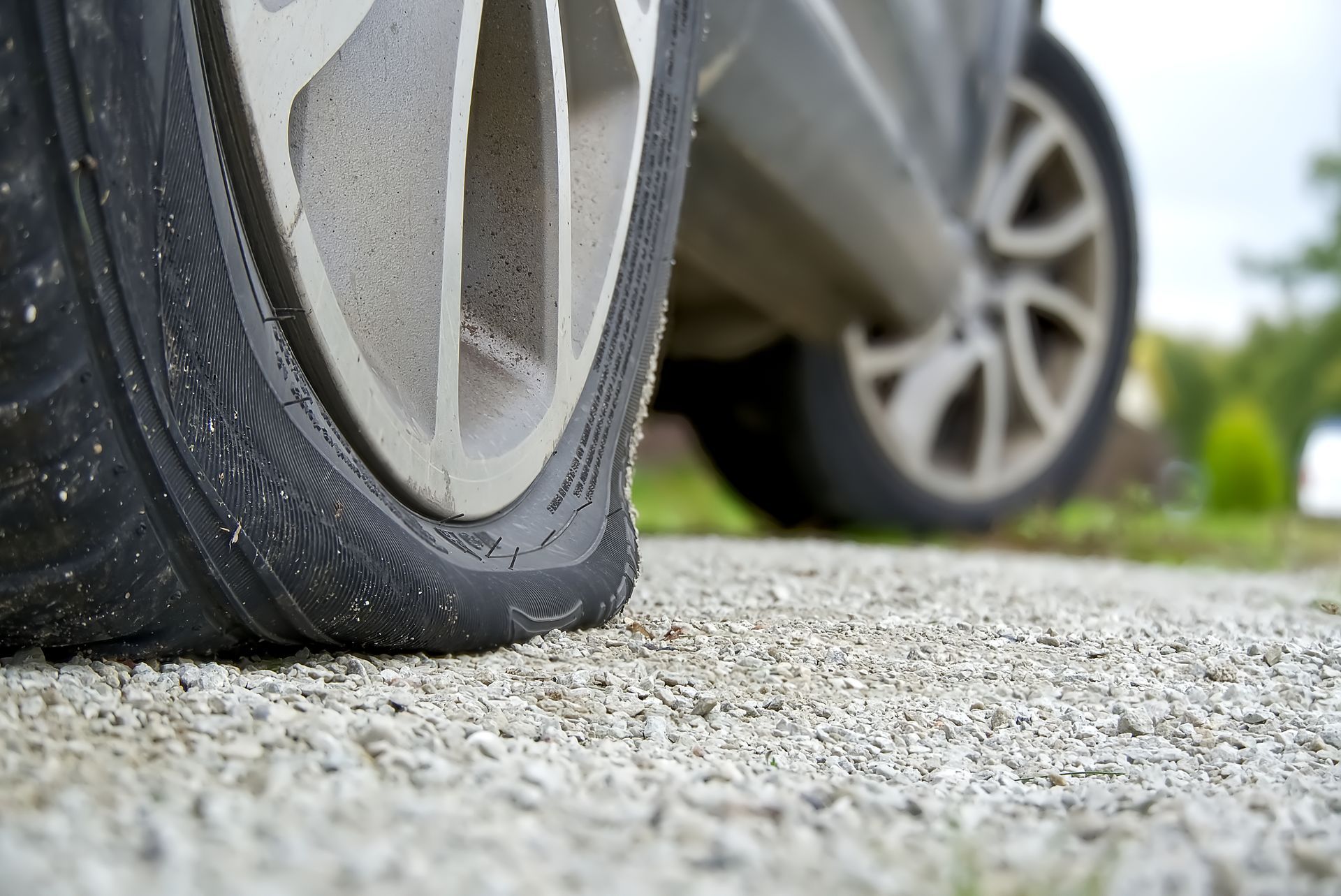
Any tire that consistently needs air between yard checks is another warning sign. Slow leaks from valve stems, beads, or punctures are easy to ignore on a busy morning, yet they are a major contributor to internal heat and belt damage. When we see a pattern like that during inspections, we flag it before a route turns into a roadside tire change.
Building a Simple Inspection Routine for Drivers
A good fleet tire program starts with the people who are in the vehicles every day. Drivers do not need to be tire experts to spot obvious problems. A quick walkaround at the start of each shift can include:
- Checking for visibly low or bulging tires
- Looking for cuts, sidewall bubbles, or exposed cords
- Listening and feeling for new vibrations on the test roll out of the lot
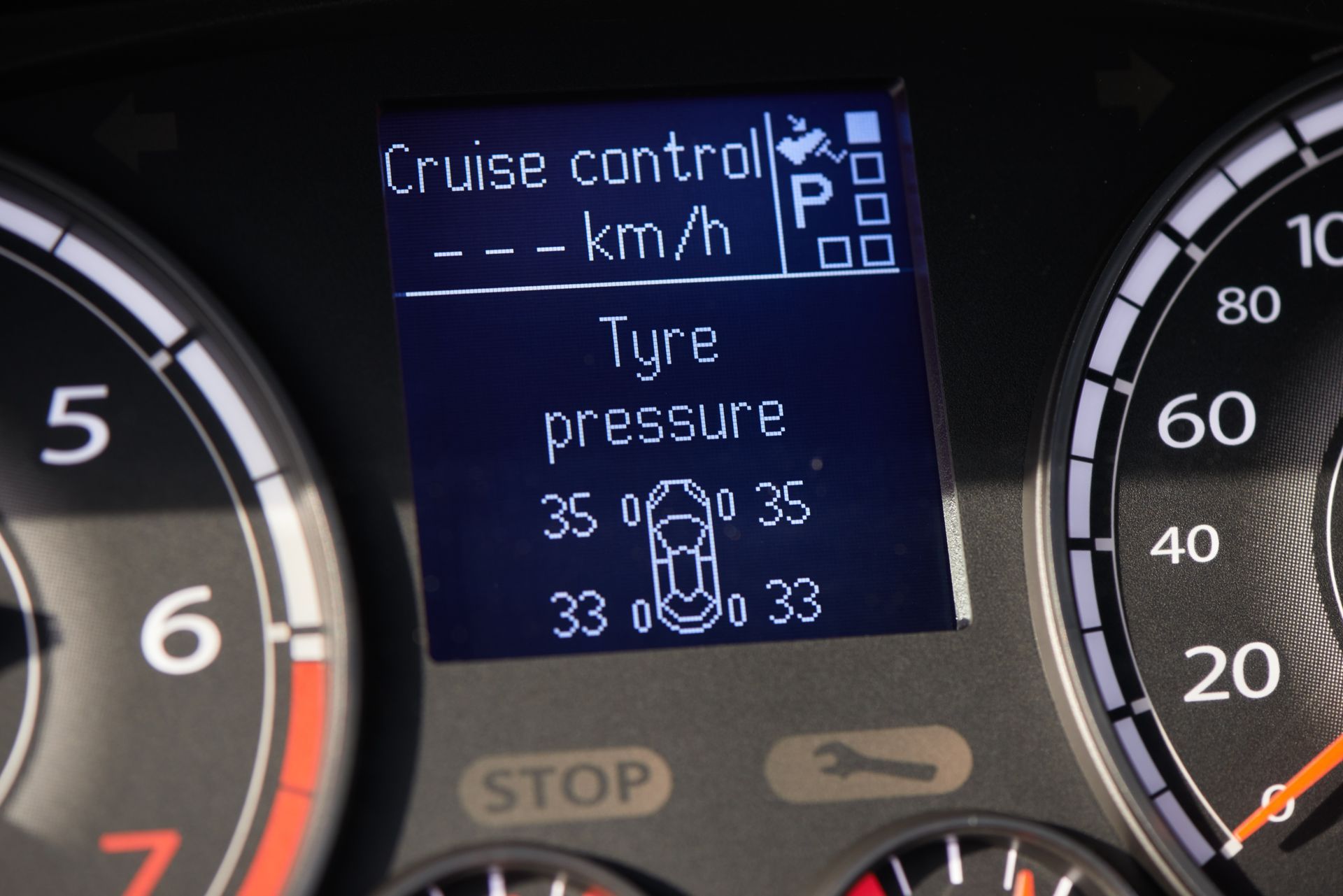
- Noting any tire pressure warning lights and reporting them right away
That routine adds a few minutes to the day, but it saves hours on the back end. When drivers know what to look for and how to report it, small issues can be handled in the shop instead of on the shoulder of the highway.
Owner Mistakes That Lead to Blowouts on the Road
Some fleet practices quietly work against tire life. Running tires until they are almost slick, skipping rotations, and avoiding alignments to “save time” usually costs more in the long run. Mixing tire brands and load ratings on the same axle can create handling and wear problems that are hard to predict.
Another common mistake is treating the tire pressure monitoring system as the only check that matters. TPMS is a good backup, but it does not replace regular pressure checks with a gauge. We often see fleets that rely on warning lights, only to find several tires running low for months without ever setting a code.
A Cost Smart Plan for Rotations, Alignments, and Replacements
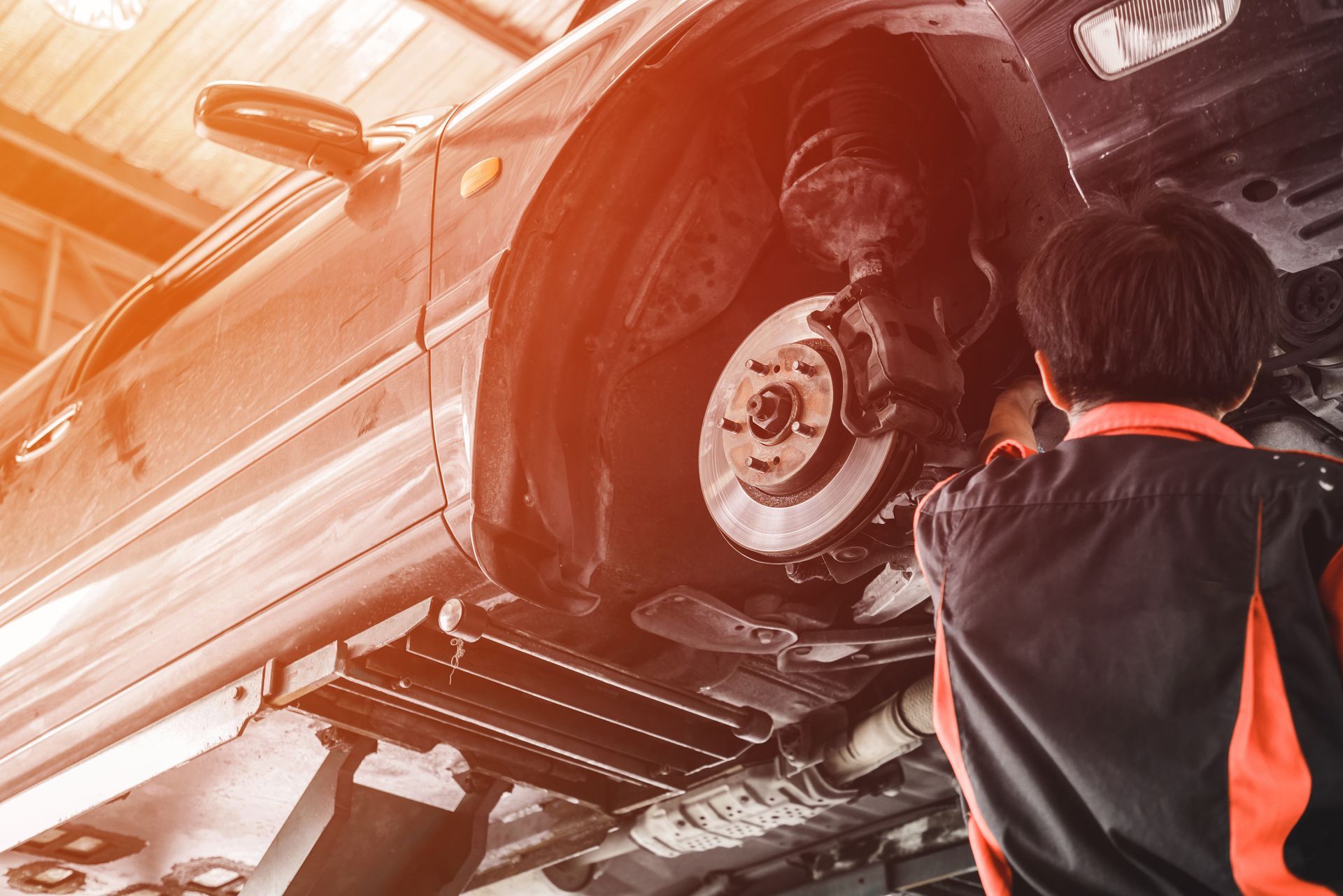
Tire management works best when it is tied to mileage and service visits instead of emergencies. Rotating tires on a set interval evens out wear and gives technicians a chance to inspect tread and sidewalls up close. Pairing rotations with alignment checks on vehicles that show edge wear or handling changes protects new tires from being scrubbed away early.
Planning replacements based on measured tread depth and tire age, instead of waiting for cords, lets you schedule work when a vehicle is already in for service. We like to map out which units will likely need tires in the next few months so you can budget ahead and avoid buying whatever is available at the last minute.
When to Pull a Vehicle from Service Before a Tire Fails
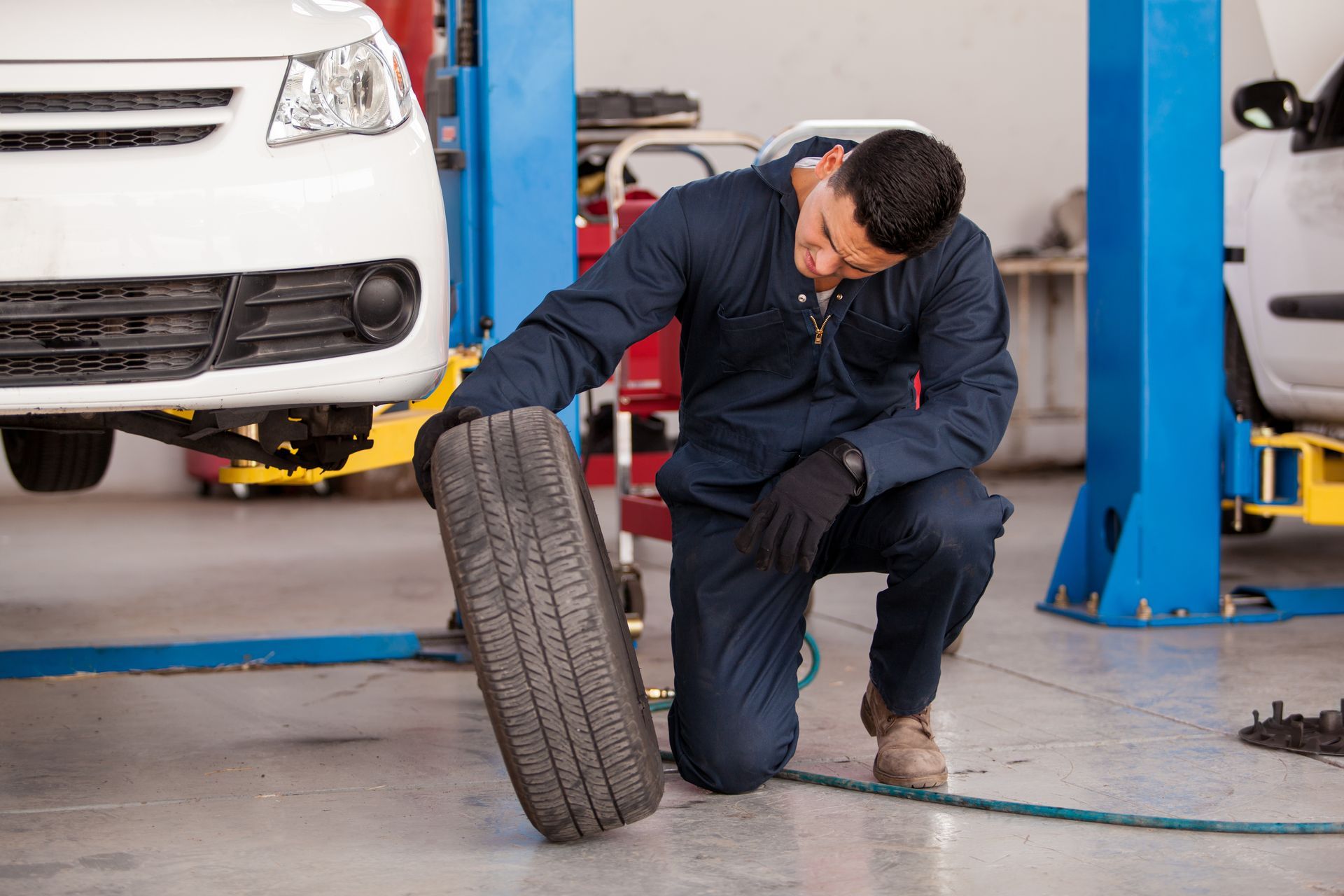
Taking a unit off the road for a tire issue is never convenient, but it is sometimes the safest and cheapest choice. Any tire with visible cords, a sidewall bubble, a cut deep enough to expose fabric, or repeated low pressure should be handled before the next route. Persistent vibration that does not go away after balancing and rotation is another reason to pause and inspect more deeply.
If a driver reports a hard curb impact, hitting debris, or a severe pothole strike, it is worth checking that wheel position before sending the vehicle back out. We have seen plenty of situations where pulling a van or truck for an hour of inspection prevented a blowout that would have shut it down for days.
Get Fleet Tire Management in Jacksonville, FL with Power Tire
If your vehicles are seeing more roadside tire calls than you would like, or tread wear seems unpredictable from one unit to the next, a structured tire plan can turn that around. We can help you set practical inspection routines, align and rotate at smart intervals, and plan replacements before they fail on the road.
Schedule fleet tire management in Jacksonville, FL with
Power Tire, and we will work with you to keep your trucks rolling and your drivers off the shoulder.