An oil change is one of the few appointments most drivers actually keep. It’s familiar, it’s quick, and it feels like you did something responsible. The problem is that a lot can go wrong with your car between oil changes, and tires are at the top of that list.
Tire rotation and inspection pair perfectly with oil service because the timing lines up naturally. You’re already stopping in. The car is already getting lifted. That one extra step can prevent the kind of tire wear and surprise blowouts that show up when you least have time for them.
Why Oil Service Is The Perfect Time To Check Your Tires
Oil changes happen on a rhythm, usually every few months, depending on your driving and your vehicle. Tires wear on a rhythm too, and that wear is influenced by alignment, inflation, driving habits, and road conditions. When you pair rotations with oil changes, you create a simple routine that keeps tire wear more even and makes it easier to spot problems early.
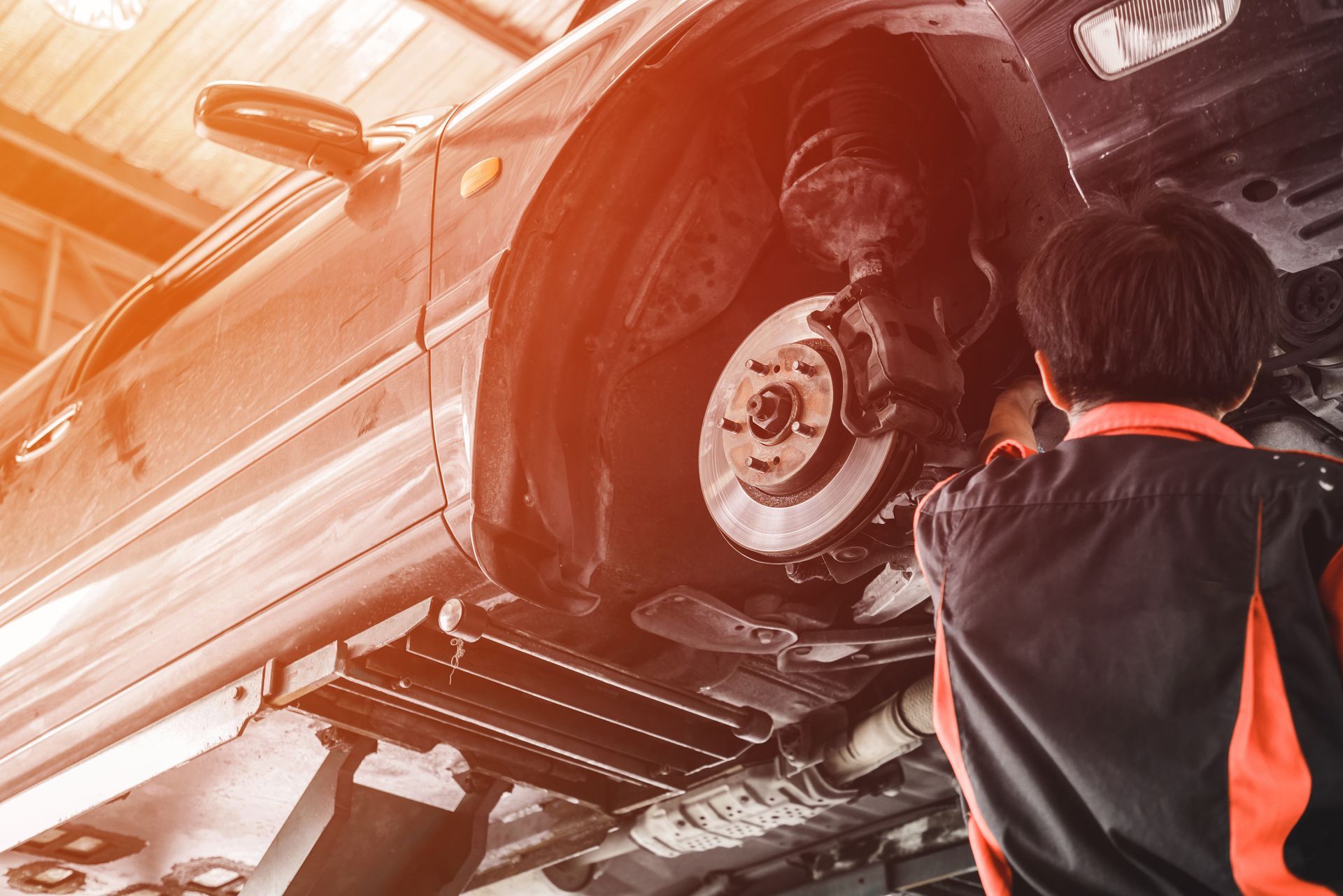
It also saves effort. A proper tire inspection is much easier when the vehicle is lifted and the tires can be checked up close. You can spot inner-edge wear, nails, sidewall damage, and uneven tread patterns that are hard to see when the car is parked in a driveway.
How Tire Rotation Extends Tire Life
Most vehicles do not wear all four tires evenly. Front tires often wear faster because they handle more braking and steering. On front-wheel drive vehicles, the front tires also handle power delivery, so they can wear even faster.
Rotation spreads that wear across all four tires. That helps the set last longer and keeps the car's traction more consistent across the front and rear. It also helps avoid the situation where two tires are worn out while the other two still look fine.
What A Tire Inspection Can Catch Before It Turns Into A Bigger Issue
A rotation without an inspection misses half the value. Inspection is where you catch the stuff that turns into a roadside problem later.
- Uneven tread wear that points to alignment or suspension wear
- Low tread depth that increases hydroplaning risk in heavy rain
- Punctures or nails that are leaking slowly and can worsen on the highway
- Sidewall damage from curbs or potholes that cannot be repaired safely
- Dry rot and cracking that can lead to sudden failure, even with decent tread
- Bulges or separation that suggest internal tire damage
We’ve seen plenty of tires that looked fine at first glance, but the wear pattern is very different. That kind of wear can sneak up on you if the tires are not closely inspected, and you can end up with a serious suspension problem you are unaware of.
The Hidden Benefits: Handling, Braking, And Fuel Economy
Even tire wear affects more than tire life. It affects how the car brakes, how it tracks on the highway, and how it behaves in wet weather.
When tread depth is uneven, the car can feel less stable during braking. It can also follow road grooves more easily, which makes steering feel twitchy. Poor tire condition can also increase rolling resistance, which can reduce fuel economy over time.
Pairing tire checks with oil service is a simple way to keep the whole vehicle feeling more predictable. It is one of those habits that prevents a lot of expensive surprises.
When Rotation Should Not Be Automatic
Rotation is usually a good idea, but it’s not always automatic. If a tire has a bulge, severe uneven wear, or structural damage, rotating it does not solve the real problem.
Rotation can also be limited by tire size differences on some performance vehicles. Staggered setups cannot rotate front-to-rear because the tire sizes differ. In those cases, the inspection becomes even more important because you are managing wear through alignment, pressure, and driving habits rather than rotation.
The right move is always to look at the tire condition first, then decide which rotation pattern makes sense.
A Simple Routine That Makes Maintenance Easier
Pairing oil changes with tire rotation and inspection turns maintenance into a repeatable routine. It also gives you a consistent checkpoint for other quick items, like looking for leaks, checking fluid levels, and spotting early suspension wear through tire patterns.
It is not about adding extra services for the sake of it. It is about using the time you already set aside to catch issues that tend to get ignored. Tires are a safety item, and they are one of the few parts of the car that directly touch the road. Treating them as part of your oil service routine is a smart, low-effort habit.
Get Oil Change And Tire Service in Jacksonville, FL, with Power Tire
We can handle your oil change, rotate, and inspect your tires during the same visit, so you get even wear, better traction, and fewer surprises between services. We’ll check tread depth, wear patterns, and any damage that could become a problem, then recommend what actually makes sense for your driving.
Call
Power Tire in Jacksonville, FL, to schedule service and keep your maintenance routine working for you.