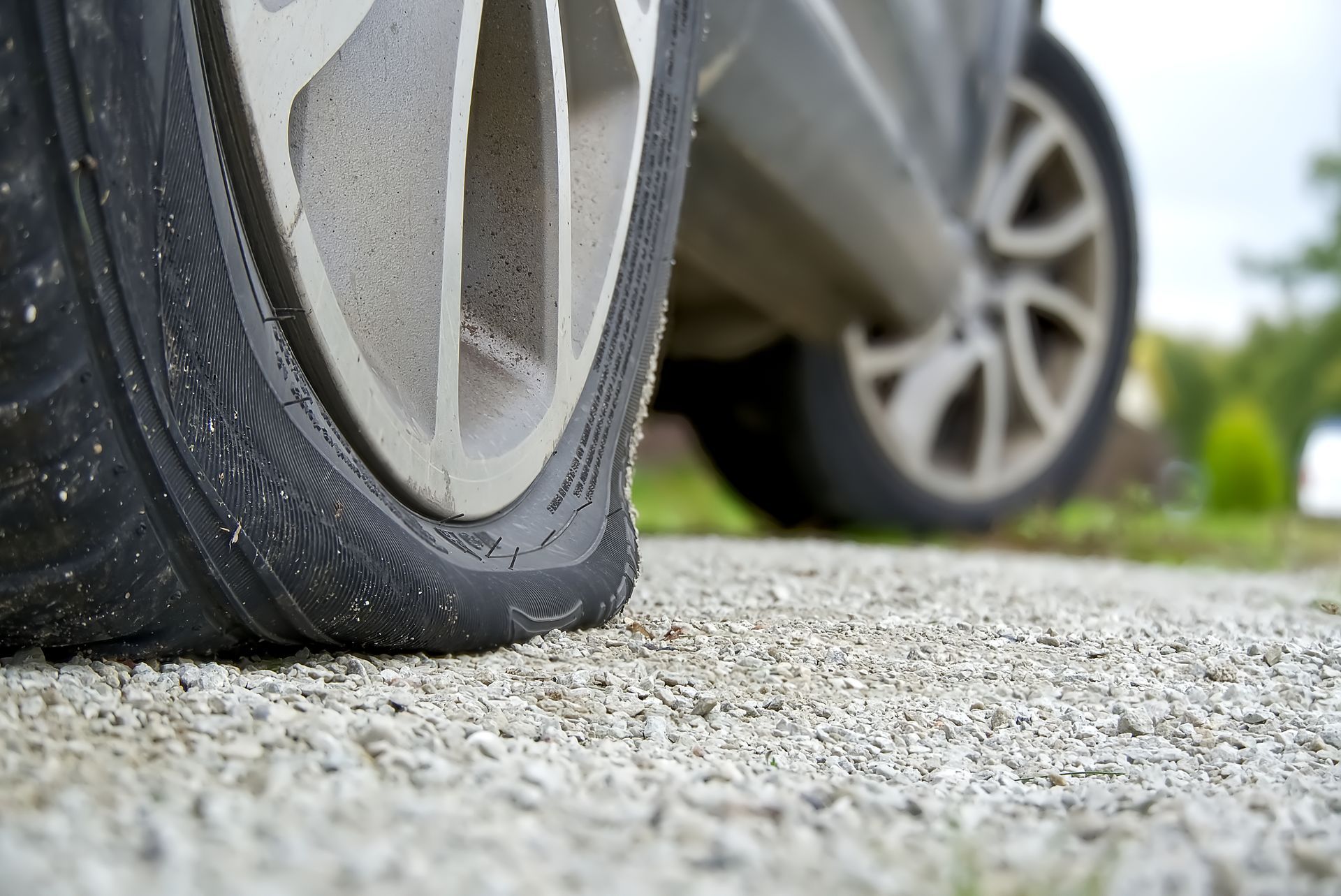
Tire pressure is one of the easiest things to overlook, yet it has a direct impact on safety, handling, and fuel economy. Many drivers only think about it when a warning light shows up on the dashboard. That light is tied to a system that automatically monitors pressure.
TPMS, or Tire Pressure Monitoring System, plays a bigger role than most people realize. Understanding how it works can help you respond correctly when something changes.
What TPMS Sensors Actually Do
TPMS sensors monitor tire pressure and alert you when it drops below a safe level. Each sensor is typically mounted inside the wheel and communicates with your vehicle’s computer system.
When pressure falls too low, the system triggers a warning light on the dashboard. That alert is meant to give you time to address the issue before it affects safety or performance.
The Difference Between Direct And Indirect TPMS
There are two main types of TPMS systems. Direct TPMS uses sensors inside each tire to measure pressure in real time. Indirect TPMS uses wheel speed data from the ABS to estimate pressure changes.
Direct systems provide more accurate readings because they measure pressure directly. Indirect systems rely on changes in tire rotation, which can sometimes take longer to detect a problem.
How TPMS Sensors Send Information
Each TPMS sensor sends a wireless signal to the vehicle’s control module. That signal includes pressure data and, in many cases, temperature information as well.
The system constantly checks those readings while you drive. If pressure drops below a certain threshold, the warning light turns on to let you know something needs attention.
Why Tire Pressure Changes Over Time
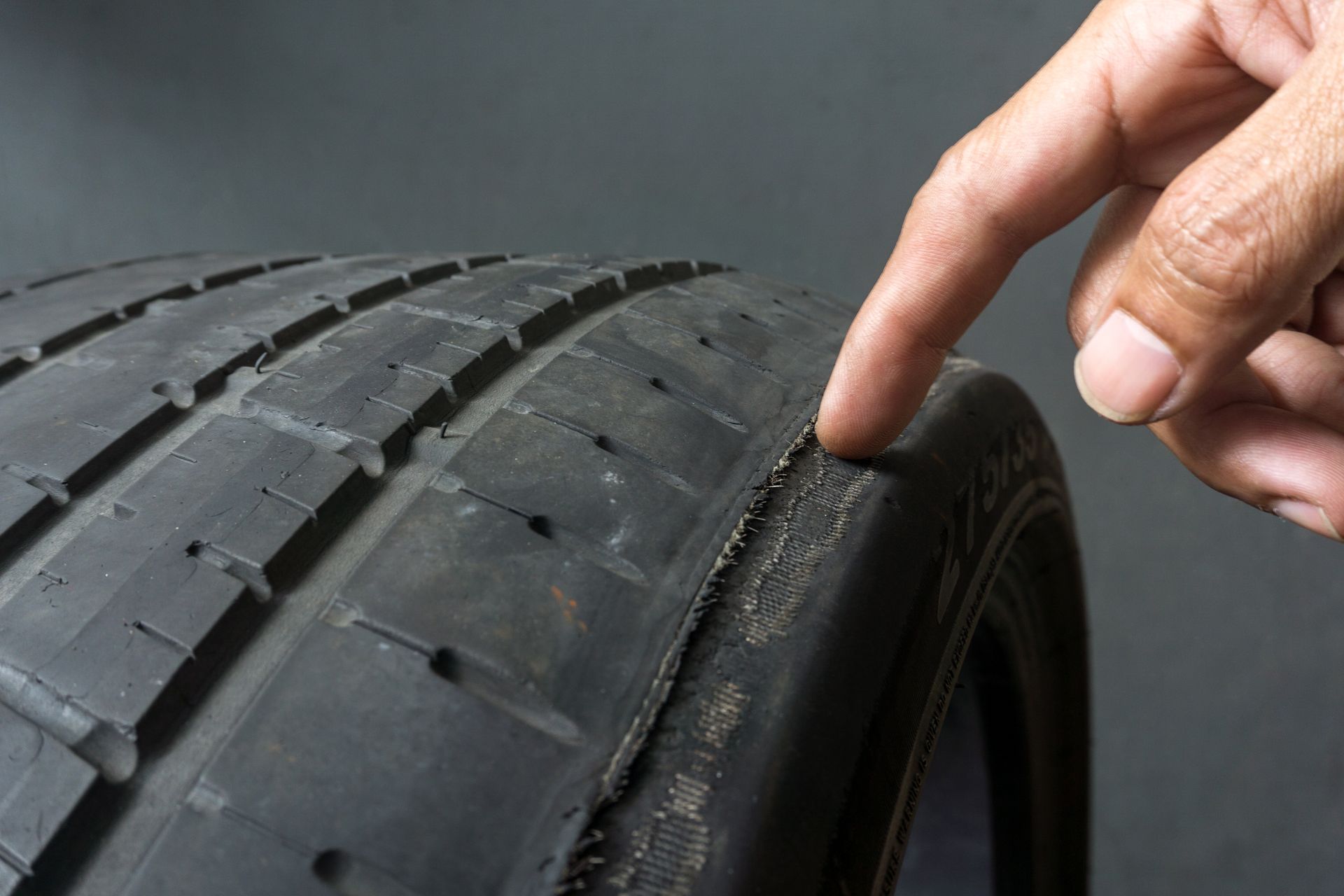
Tire pressure naturally changes due to temperature and driving conditions. Cold weather can cause pressure to drop, while heat can increase it. Small leaks, punctures, or normal air loss over time can also affect pressure.
Because these changes happen gradually, drivers may not notice them without a monitoring system. TPMS helps bridge that gap by providing a clear alert.
What The TPMS Warning Light Means
A solid TPMS light usually means one or more tires are low on air. Checking and adjusting tire pressure is the first step.
A flashing light often indicates a system issue, such as a faulty sensor or communication problem. In that case, the system itself may need attention rather than the tires.
Common TPMS Sensor Problems
Like any electronic component, TPMS sensors can wear out or fail. The internal battery in most sensors lasts several years but eventually needs to be replaced.
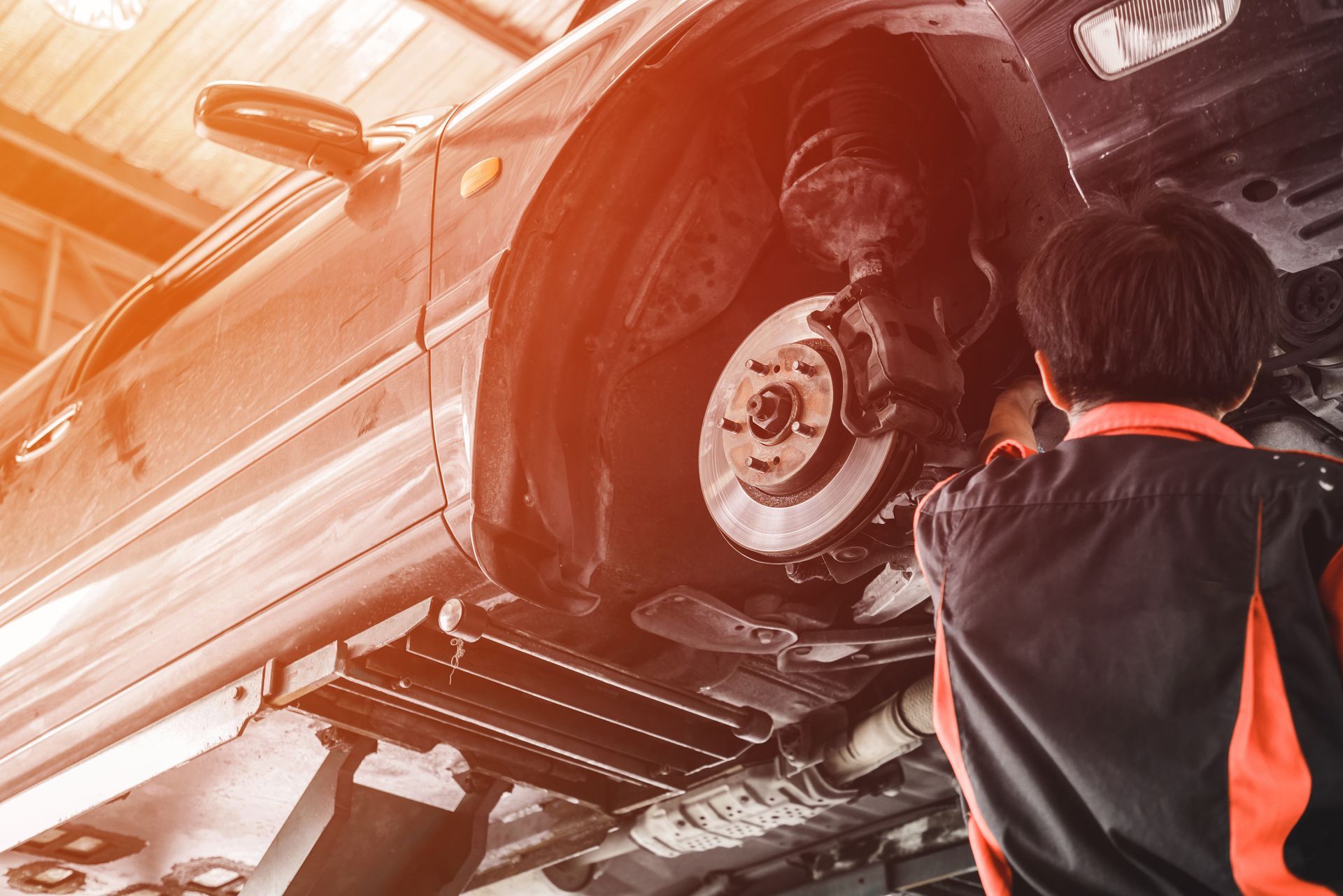
Other issues can include damage during tire service, corrosion, or signal problems. These can prevent the system from reporting accurate data.
Why Ignoring TPMS Warnings Is Risky
Driving on low tire pressure affects more than just tire life. It reduces traction, increases stopping distance, and can lead to uneven wear. It also makes the engine work harder, which affects fuel economy.
Ignoring the warning light removes an important layer of safety. Addressing it early helps keep the vehicle stable and efficient.
How Regular Maintenance Supports TPMS Performance
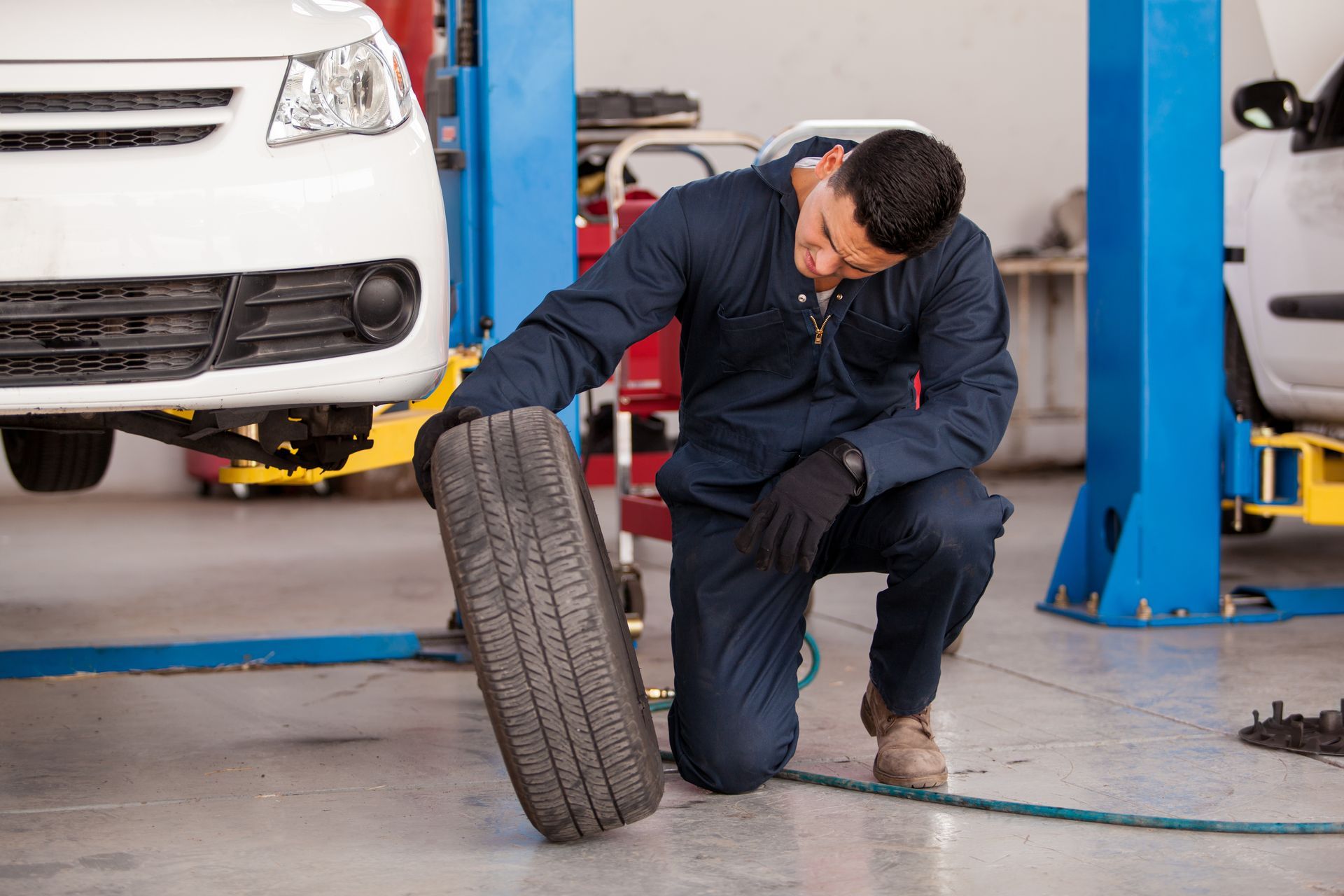
Checking tire pressure manually during regular maintenance helps confirm the system is working correctly. An inspection can also identify sensor issues before they become more noticeable.
Keeping tires properly inflated and monitoring system performance helps extend tire life and improve overall driving safety.
When To Have Your TPMS Checked
If the TPMS light stays on after adjusting tire pressure, or if it flashes and then remains on, it is time to have the system inspected.
Getting it checked early helps ensure the sensors are working correctly and that your tire pressure is being monitored accurately.
Get TPMS Service In Jacksonville, FL, With Power Tire
If your TPMS light is on or you are unsure whether your system is working properly, Power Tire in Jacksonville, FL, can inspect your sensors and ensure your tire pressure monitoring system is functioning as it should.
Call today to schedule your appointment and keep your tires properly monitored for safer driving.