A suspension problem rarely introduces itself politely. It starts with a clunk over the same speed bump you drive over every week, a dip in the front end when you brake, or a pull that keeps you correcting the wheel with one hand.
At first, it feels like the road.
Then it starts happening everywhere.
Suspension parts control how the tires stay planted, how the body moves, and how the steering feels. When something wears out, the car may still drive, but it will not feel as steady or predictable as it used to.
Clunks Over Bumps Usually Mean Movement
A clunk is the sound of something moving more than it should. It might happen over potholes, driveway entrances, speed bumps, or rough pavement. The sound can come from sway bar links, control arm bushings, ball joints, strut mounts, shock mounts, or loose hardware.
The timing helps narrow it down. A clunk at low speed over uneven pavement often points to suspension parts. A clunk while turning can bring steering components into the conversation. A clunk when shifting from reverse to drive may involve mounts or drivetrain movement.
We listen for when the noise happens because the sound alone is not enough. The pattern is the clue.
Dipping When Braking Points To Weak Control
Some nose-dives during braking are normal. The vehicle's weight shifts forward as you slow down. But if the front end drops hard, the rear feels light, or the car rocks forward more than it used to, the shocks or struts may not be controlling that weight transfer well.
Shocks and struts do not hold the vehicle up on their own. Springs do that. Shocks and struts control how the springs move. When they wear out, the body keeps moving after it should have settled.
That extra motion can make braking feel less confident, especially on rough pavement or during a quick stop. It can also add stress to tires, mounts, and other suspension parts.
Pulling Can Come From More Than Alignment
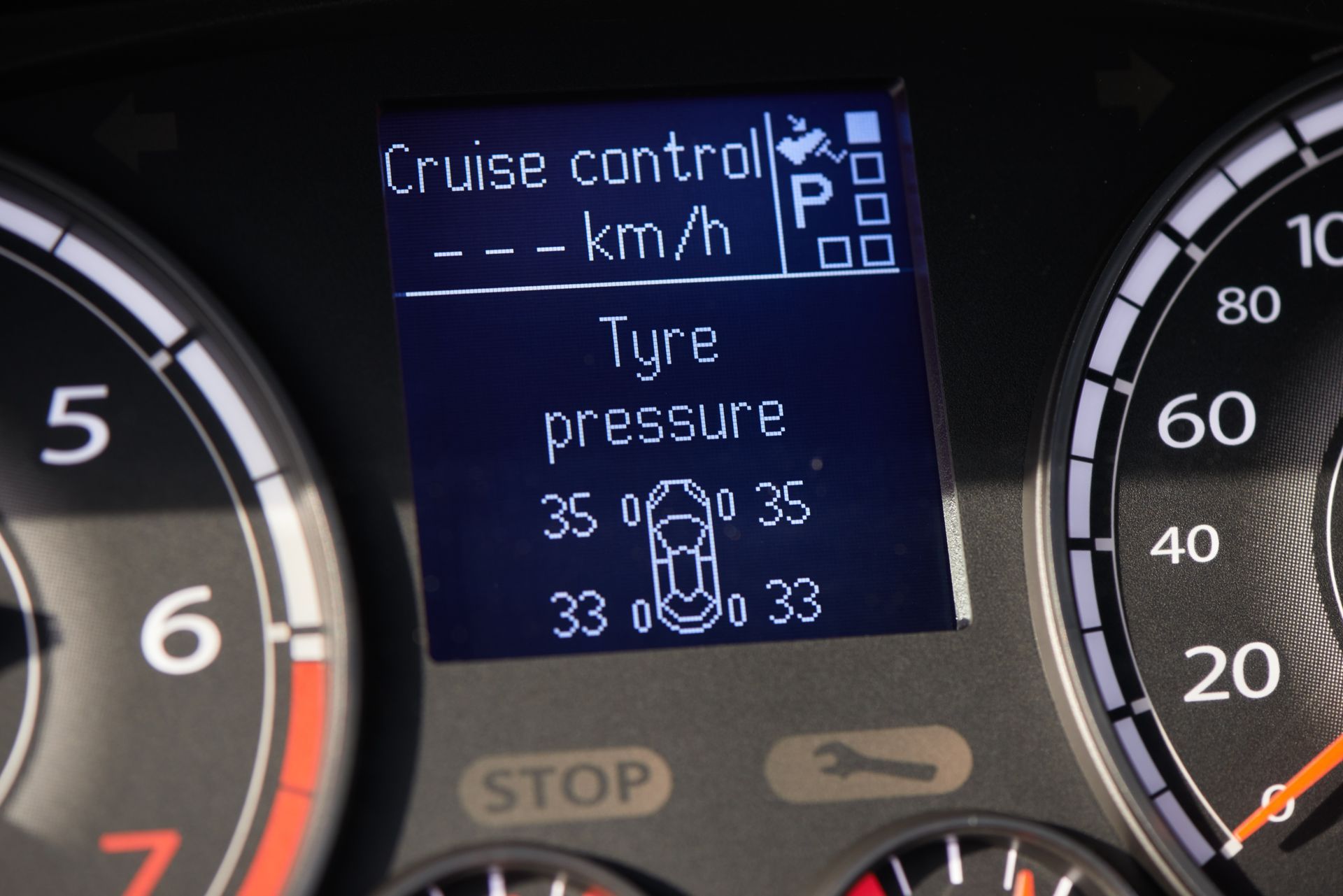
A car that pulls to one side is easy to blame on alignment, and sometimes that is the answer. Poor alignment can make the tires scrub against the road and drag the vehicle left or right. But pulling can also be caused by low tire pressure, uneven tire wear, brake drag, worn control arm bushings, or damaged steering parts.
If the pull happens all the time, tires, alignment, and suspension need to be checked together. If it pulls only when braking, the brake system deserves a closer look. If it started after hitting a pothole or curb, something may have shifted or bent.
A good inspection keeps the repair focused. An alignment will not hold correctly if a loose ball joint, tie rod, or bushing is still allowing the wheel to move.
Bouncing Means The Tires Are Not Staying Planted
A car should settle quickly after a bump. If it keeps bouncing, floating, or rocking, the shocks or struts are likely worn. Drivers often notice this first on familiar roads, as the vehicle suddenly feels softer or less controlled than before.
Bouncing is not only a comfort problem. Tires need steady contact with the road to brake and corner well. If the tire is hopping slightly, the grip changes. That can affect stopping distance, steering feel, and tire wear.
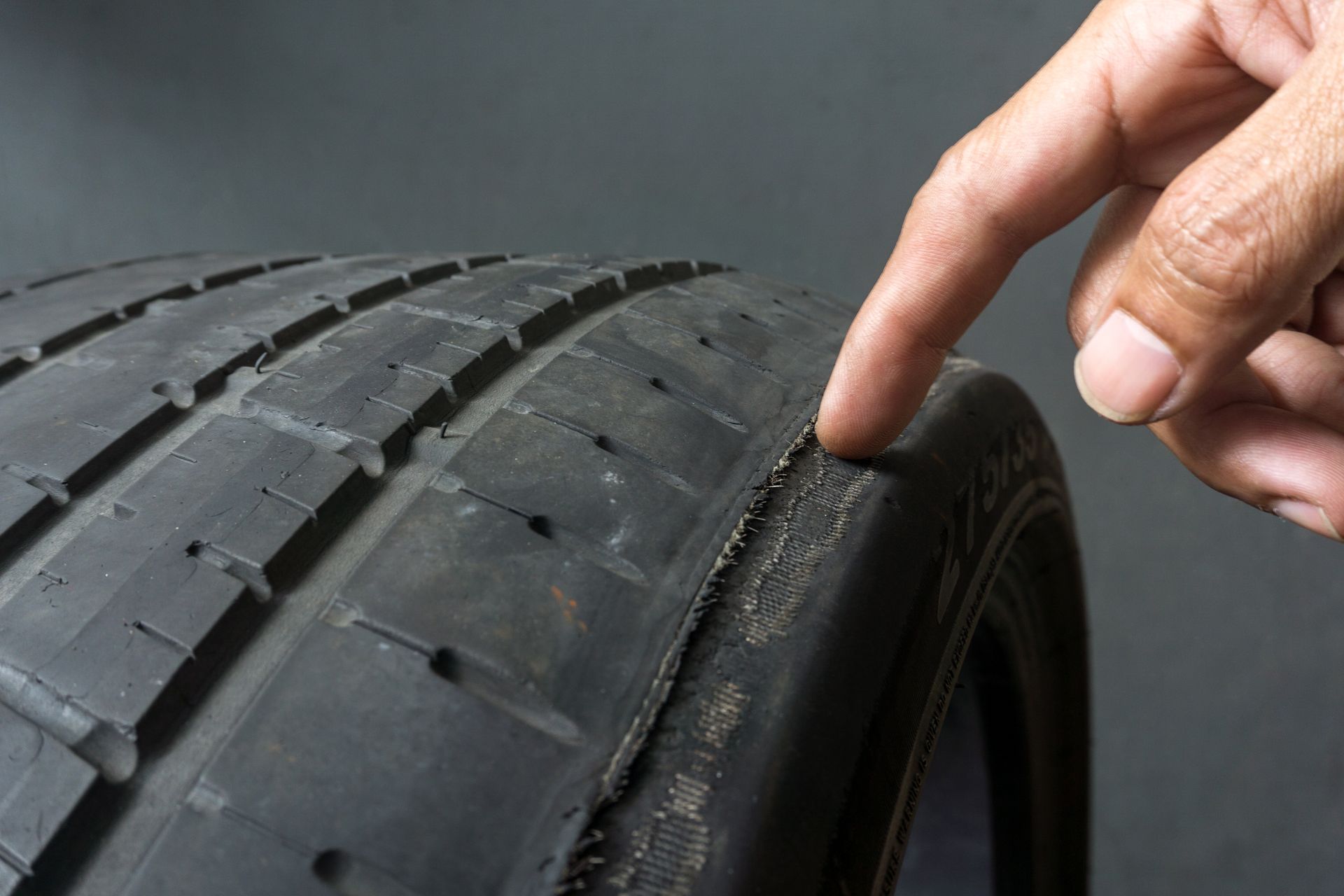
Cupped or choppy tread is a common sign. The tire may start making more road noise, even if it still has tread left. Replacing the tire without fixing the worn suspension part can send the new tire down the same path.
Uneven Tire Wear Tells On The Suspension
Tires are usually the first parts to show suspension trouble in plain sight. Inside-edge wear can point to alignment or worn parts. Feathering can indicate toe-angle problems. Cupping can indicate weak shocks, struts, or loose suspension components.
The trouble is that the worst wear is often on the inner edge, where drivers do not see it during a quick walkaround. From the outside, the tire looks fine. Underneath, the edge may be disappearing.
During regular maintenance, tire wear patterns should be checked to avoid a tire replacement surprise. One tire wearing differently from the others usually has a reason.
Steering That Feels Loose Or Nervous
Suspension and steering work closely together. If the steering feels vague, delayed, or nervous at highway speed, something underneath may not be holding its position. Tie rods, ball joints, bushings, wheel bearings, struts, and tires can all affect how the car tracks.
A steering wheel that sits crooked after a road impact is another clue. So is a car that follows grooves in the pavement more than it used to. The vehicle should not feel like it needs constant corrections just to stay in its lane.
When steering feels changes, it is worth checking before tire wear and suspension damage stack up.
Get Suspension Repair In Jacksonville, FL, With Power Tire
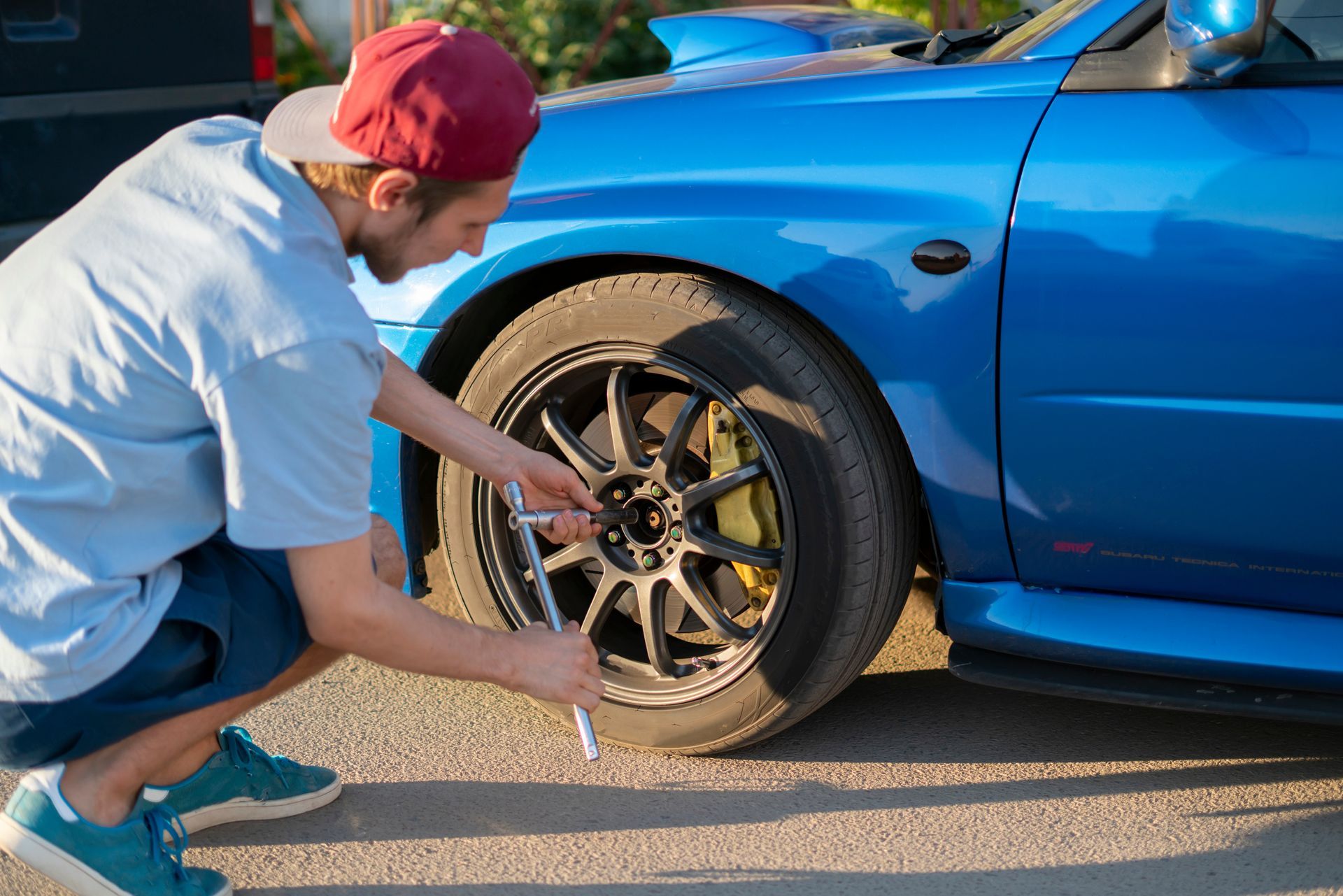
If your vehicle clunks, dips, pulls, bounces, or wears tires unevenly, Power Tire in Jacksonville, FL, can check the suspension, steering, shocks, struts, tires, and alignment-related parts.