If you have walked into a tire shop lately or spent any time browsing for rubber online, you might have noticed that the terminology is getting a bit crowded. For decades, most of us just bought all-season tires and called it a day. They were the standard choice for everything from minivans to commuter sedans. But lately, a new category has been popping up on the racks and in our conversations at the shop. all-weather tires.
At first glance, the names sound like they mean the exact same thing. After all, isn't a season just a collection of weather? However, in the world of automotive safety and rubber chemistry, there is actually a massive gap between these two types of tires. Understanding this difference is one of the best ways to ensure you stay on the road when the weather gets unpredictable. As the folks who have to mount, balance, and occasionally pull cars out of ditches, we want to clear up the confusion.
The Truth About All-Season Tires
The name all-season is actually a bit of a marketing stretch. A more accurate name would be three-season tires. These tires are designed to handle a wide range of conditions, including dry pavement, heavy rain, and light spring or fall temperatures. They are built for longevity and a quiet ride, which is why they come standard on almost every new car sold in America.
The limitation comes when the thermometer drops. The rubber compound used in a standard all-season tire is designed to stay firm and durable in the summer heat. Once the temperature dips below 45 degrees, that rubber starts to get hard and stiff, much like a hockey puck. When the rubber loses its flexibility, it can no longer grip the road effectively, even if there is no snow on the ground. If you try to drive through a real winter storm on all-seasons, you will likely find yourself sliding through intersections because the tread simply cannot bite into the ice or slush.
What Makes All-Weather Tires Different
This is where the all-weather tire steps in to save the day. Think of these as a hybrid between a standard all-season and a dedicated winter tire. They are designed to stay in your car all year long, just like an all-season, but they carry a special certification. Look for the Three-Peak Mountain Snowflake symbol on the sidewall. This icon means the tire has passed specific tests for traction in severe snow conditions.
- Rubber Chemistry: All-weather tires use a specialized compound that stays soft and pliable even when the temperature drops well below freezing. This allows the tire to wrap around the tiny imperfections in the road to maintain grip.
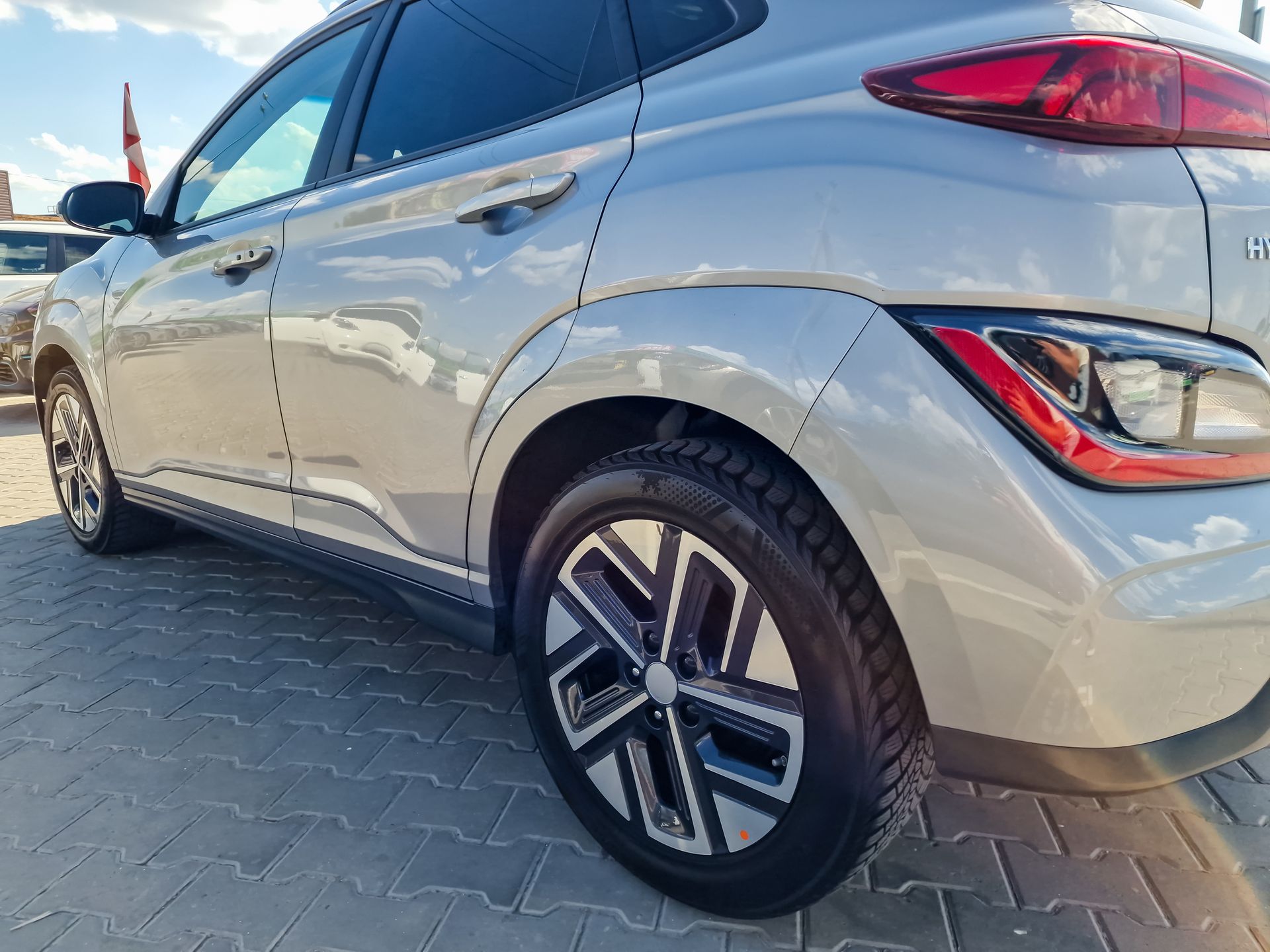
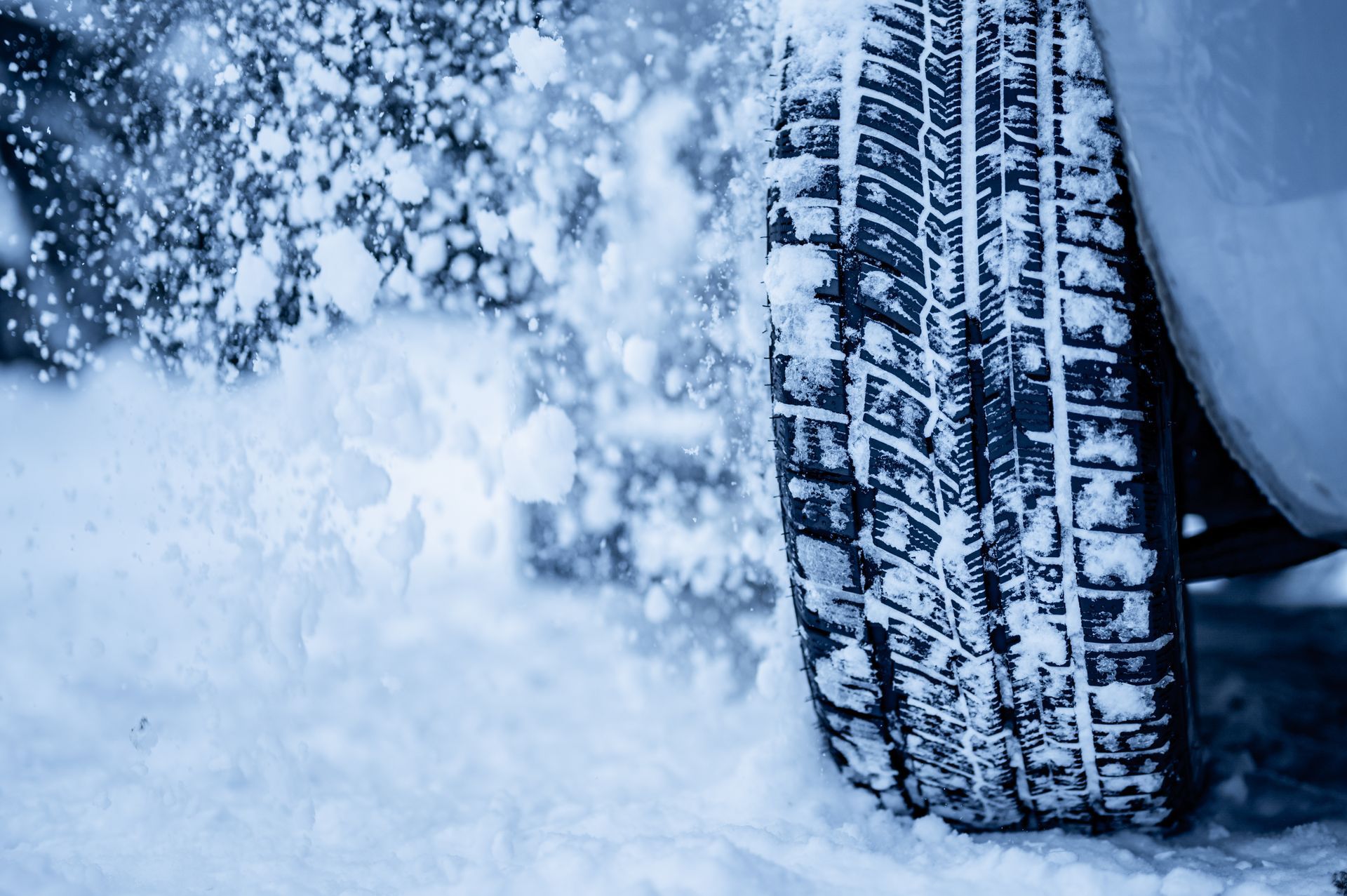
- Aggressive Tread Design: If you look at the tread of an all-weather tire, you will see more sipes, which are the tiny slits in the rubber. These sipes act like little claws that grab onto snow and ice.
- Slush Evacuation: The grooves are often deeper and angled differently to help push slush and heavy slush away from the center of the tire, preventing hydroplaning in messy winter conditions.
Which One is Right for You
Choosing between the two depends entirely on your lifestyle and how often you encounter the white stuff. If you live somewhere that rarely sees a flake of snow and stays relatively mild all winter, a high-quality all-season tire will serve you perfectly well. They generally last longer and offer a slightly smoother ride on the highway.
However, if you live in an area where you regularly deal with black ice, slushy commutes, or several inches of snow, but you do not want the hassle of swapping to dedicated winter tires every six months, all-weather tires are a game-changer. They give you that extra margin of safety during a snowstorm without requiring you to store an extra set of wheels in your garage.
Why Quality Matters for Your Safety
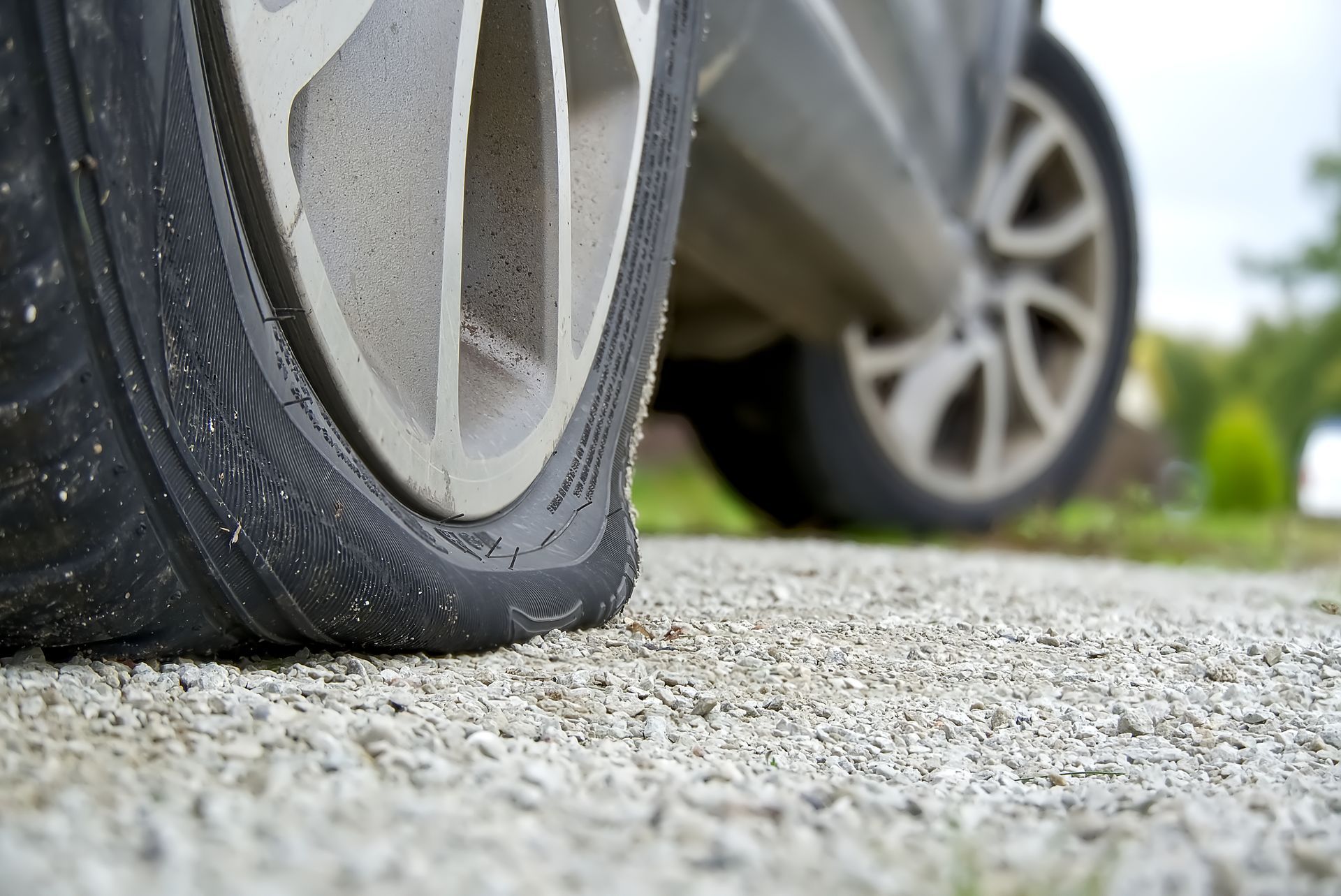
We see a lot of people try to save a few bucks by stretching the life of their old all-seasons through one more winter. We strongly advise against this. As tires wear down, their ability to move water and grip snow vanishes. A worn-out tire is essentially a smooth surface that will turn your car into a sled the moment things get slippery.
At our shop, we believe that your tires are the most important safety feature on your vehicle. They are the only part of your car that actually touches the ground. Whether you go with a traditional all-season or upgrade to a more capable all-weather option, making sure you have plenty of tread and the right compound for the climate is essential.
Let Us Help You Find Your Grip
We can perform a free tread depth check and talk to you about your specific driving habits. Our team stays up to date on all the latest tire technologies, and we can help you choose the perfect set that fits your budget and your safety needs.
Give us a call or swing on over to Power Tire in Jacksonville, FL, this week for a professional tire evaluation.
We look forward to helping you stay steady on the road, no matter what the weather decides to do.