Fuel prices can make every trip feel a little more expensive. Whether you drive across town for work, spend weekends on the highway, or mostly run short errands, better gas mileage can make a real difference over time.
The good news is that you do not always need a major repair or a new vehicle to improve fuel economy. Many mileage problems come from everyday habits, overdue maintenance, worn parts, tire issues, or small problems that quietly make the engine work harder than it should.
At our shop, we see this all the time. A customer comes in because their car is using more fuel than it used to. Sometimes the fix is simple. Sometimes the vehicle needs a repair. Either way, the best place to start is understanding what affects fuel mileage and what you can do about it.
Here are 10 practical ways to help your car go farther on every tank.
1. Keep Your Tires Properly Inflated
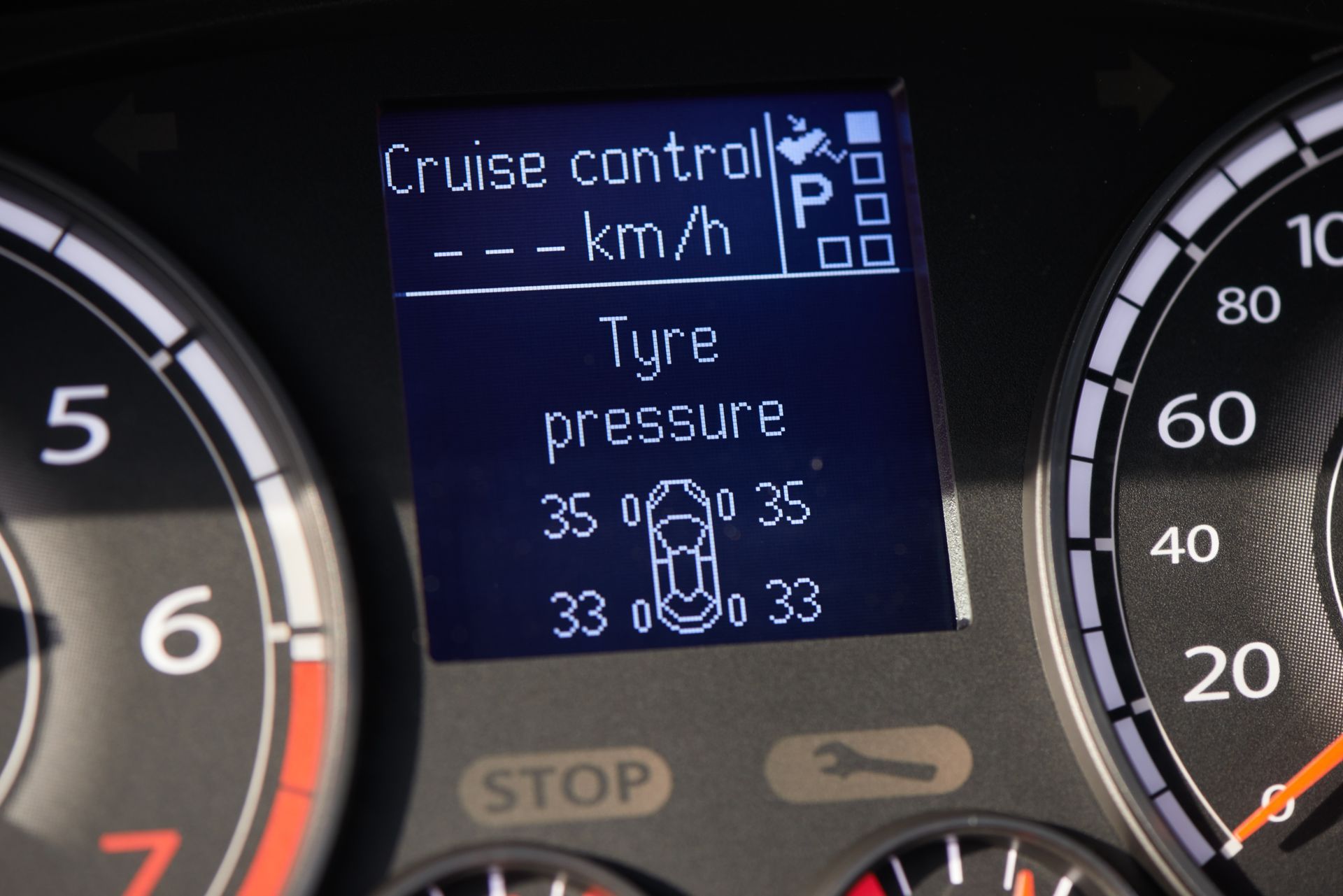
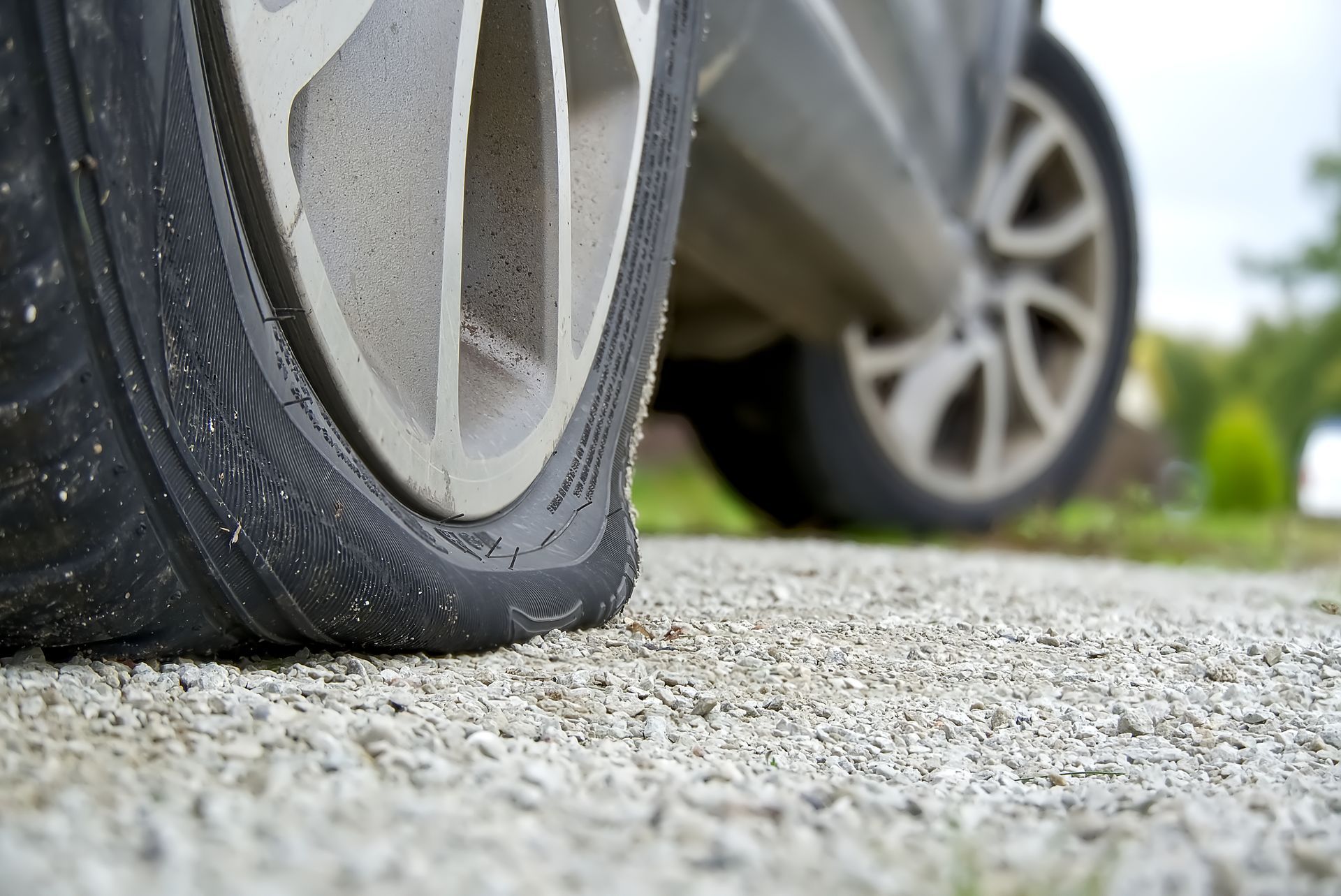
Tire pressure has a bigger impact on fuel economy than many drivers realize. When tires are low, they create more rolling resistance. That means your engine has to work harder to move the vehicle, which uses more fuel.
Low tire pressure can also cause uneven tire wear, poor handling, and longer stopping distance. It is a small issue that can lead to bigger problems if ignored.
We recommend checking tire pressure at least once a month and before long trips. Use the pressure listed on the sticker inside the driver’s door, not the number printed on the tire sidewall. The sidewall number is the maximum pressure for the tire, not the recommended pressure for your vehicle.
2. Stay Current on Oil Changes
Clean oil helps your engine run smoothly. As oil gets old, dirty, or low, it cannot protect and lubricate internal parts as well. That extra friction can reduce performance and efficiency.
Using the correct oil matters too. Modern engines are built with specific oil viscosity and quality requirements. The wrong oil can affect fuel economy, engine wear, and long-term reliability.
If you are not sure when your last oil change was, or if your oil light is on, it is worth having it checked. A basic oil service can do a lot to keep your engine healthy and efficient.
3. Replace Dirty Air Filters
Your engine needs the right mix of air and fuel to run properly. A dirty engine air filter can restrict airflow and make the engine work harder. In some vehicles, it may also affect acceleration and drivability.
Air filters do not usually fail suddenly. They slowly collect dirt, dust, leaves, and debris. Because of that, many drivers do not notice the difference until the filter is very dirty.
During routine service, we can inspect the engine air filter and let you know if it needs to be replaced. It is a simple maintenance item that can support better performance and efficiency.
4. Use Eco Mode the Right Way
Many newer vehicles come with an Eco mode, and it can be helpful when you want to save fuel. Eco mode changes how certain systems respond so the vehicle uses less energy during normal driving.
Depending on the vehicle, Eco mode may soften throttle response, encourage earlier transmission shifts, reduce climate control demand, or adjust cruise control behavior. In plain language, it helps the car calm down. The gas pedal may feel less sensitive, and the engine may avoid working harder than needed during light driving.
Eco mode is best for commuting, city driving, steady cruising, and stop-and-go traffic. It can help reduce fuel use when you are driving smoothly.
There are times when you may want to turn it off. If you are merging onto a fast highway, passing another vehicle, climbing a steep hill, or driving in a situation where quick response matters, Normal or Sport mode may feel better. Eco mode is a tool, not a requirement for every moment behind the wheel.
5. Drive Smoothly
Fast starts, hard braking, and sudden acceleration burn more fuel. Your car uses the most energy when it has to move quickly from a stop or recover speed after aggressive braking.
Smooth driving helps your engine, transmission, brakes, and tires last longer. It can also make your daily drive more comfortable.
Try looking farther down the road, easing into the gas pedal, and coasting when traffic is slowing ahead. You do not have to drive slowly to save fuel. You just need to drive steadily.
6. Avoid Excess Idling
Idling gets you zero miles per gallon. It may not seem like a big deal to leave the car running while waiting, warming up, or sitting in a parking lot, but those minutes add up.
Modern vehicles usually do not need long warm-up times. In most cases, you can start the car, give it a short moment to settle, and then drive gently until the engine reaches normal operating temperature.
Of course, comfort and safety matter. If it is extremely hot or cold, you may need the climate control. But for everyday situations, cutting down on unnecessary idling can help save fuel.
7. Lighten the Load
Extra weight makes your vehicle work harder. If your trunk, cargo area, or back seat has become a storage unit, it may be costing you fuel.
Heavy tools, sports gear, boxes, and unused cargo add up. Roof racks and cargo carriers can also reduce fuel economy by creating wind resistance, especially at highway speeds.
Take a few minutes to remove what you do not need. Your car does not have to carry extra weight everywhere you go.
8. Keep Up With Spark Plugs and Ignition Service
Spark plugs help ignite the air and fuel mixture inside the engine. When they wear out, the engine may misfire, hesitate, idle rough, or lose efficiency.
Sometimes worn spark plugs do not cause obvious symptoms right away. The vehicle may still drive, but fuel mileage may slowly drop. If the engine is not burning fuel cleanly, you may be paying for gas that is not being used as efficiently as it should be.
Spark plug replacement intervals vary by vehicle. If you are past the recommended mileage, or if your car feels rough, it is a good idea to have the ignition system inspected.
9. Pay Attention to Warning Lights
A check engine light can absolutely affect gas mileage. Some problems cause the engine computer to add extra fuel, reduce power, or adjust performance to protect the vehicle.
A loose gas cap, oxygen sensor problem, mass airflow sensor issue, misfire, thermostat problem, or fuel system concern can all play a role in poor fuel economy.
The longer you drive with a warning light, the more likely the issue may become expensive. If the check engine light is flashing, stop driving and have the vehicle checked as soon as possible. A flashing light can mean a serious misfire that may damage the catalytic converter.
10. Schedule Regular Inspections
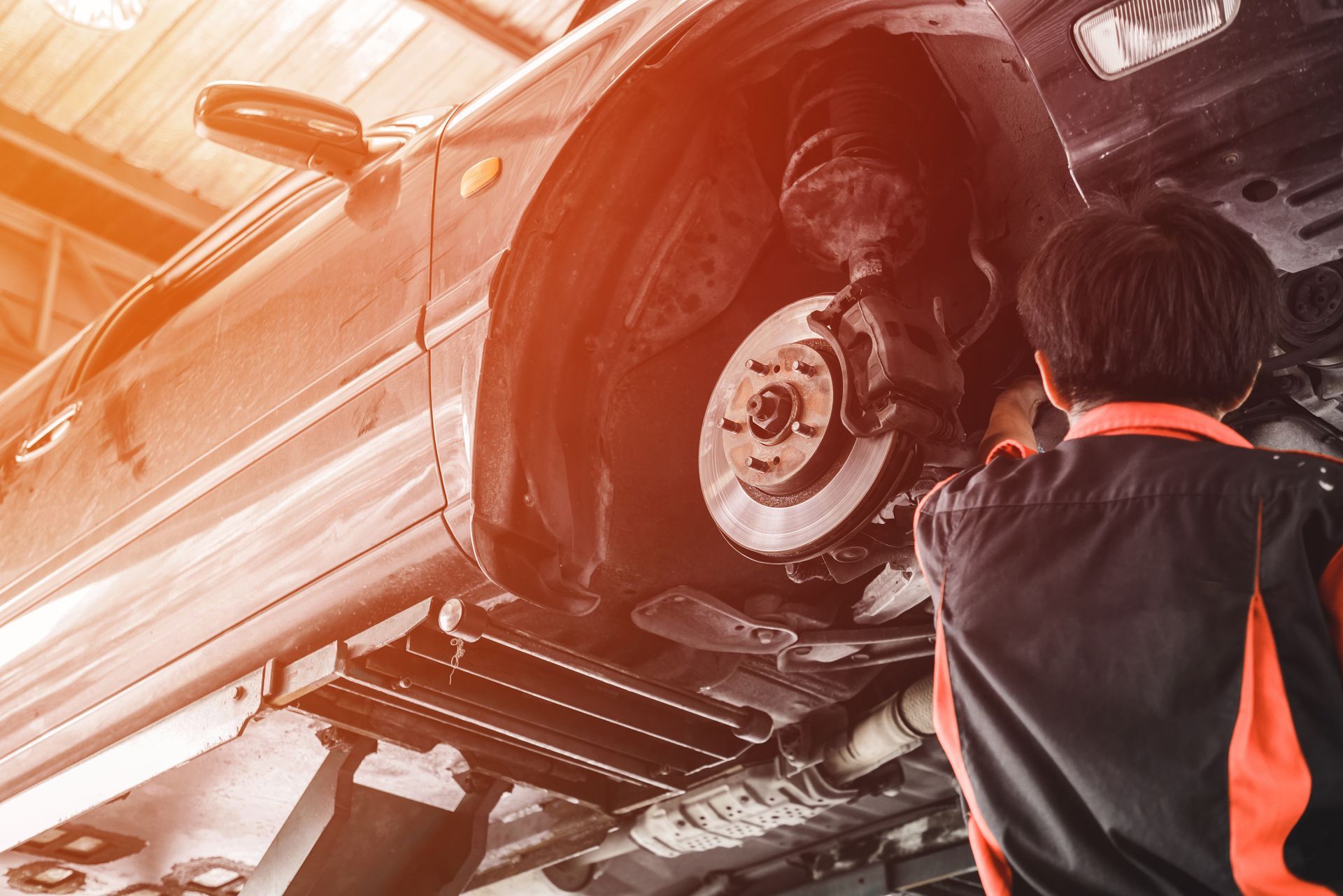
The best way to improve fuel economy is to keep the whole vehicle in good condition. Your engine, transmission, tires, brakes, alignment, fluids, filters, sensors, and exhaust system all affect how efficiently your car drives.
For example, dragging brakes can reduce mileage. Poor alignment can create extra tire resistance. Old transmission fluid can affect shifting. A weak thermostat can keep the engine from reaching the right operating temperature.
A regular inspection helps catch these issues before they turn into bigger problems. It also gives you a better idea of what maintenance is urgent and what can be planned for later.
Better Gas Mileage Starts With a Healthy Vehicle
Improving your car’s gas mileage is not about one magic trick. It is about a combination of smart driving habits and staying on top of maintenance. Keep the tires inflated, use Eco mode when it makes sense, avoid aggressive driving, reduce unnecessary weight, and take warning signs seriously.
Our auto repair shop can inspect your car, check for maintenance needs, scan warning lights, look for worn parts, and help you get the best efficiency possible from your vehicle.
Schedule an appointment with the team at
Power Tire in Jacksonville, FL today. We will help your car run smoother, use fuel more efficiently, and stay ready for the road ahead.