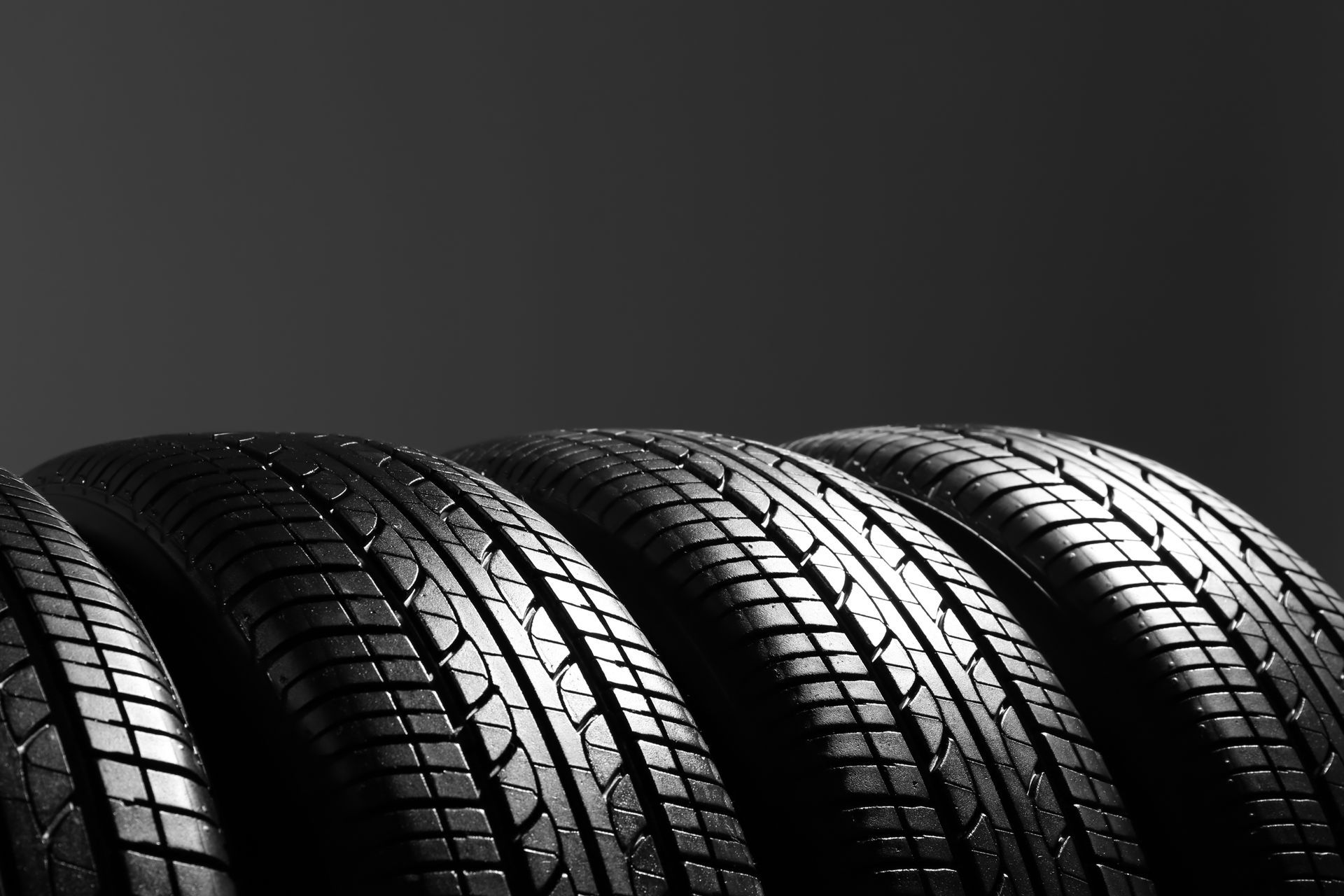
Two tires can be the same brand, model, size, and age yet look very different after spending thousands of miles on the same vehicle. One may still have even tread across its surface while the other is worn heavily on one edge, cupped in spots, or already approaching replacement.
That difference usually develops because each tire responds to the conditions at its own corner of the vehicle. Alignment angles, suspension movement, tire pressure, braking forces, and even a single worn component can change how one tire contacts the road. Looking at the wear pattern can provide valuable clues about what is happening underneath the car.
Alignment Can Wear One Tire Faster Than the Others
Wheel alignment determines how each tire sits relative to the road and the other wheels. If one wheel has excessive toe or camber, its tire can wear much faster even when the remaining three stay in good condition.
Toe problems often create feathering or rapid wear across the tread, while excessive camber can concentrate wear along the inner or outer shoulder. A vehicle may still drive reasonably straight, so uneven wear can appear before the driver notices any obvious handling problem.
Front and Rear Tires Do Different Jobs
Tires do not experience identical forces, even when mounted on the same vehicle. Front tires usually handle most of the steering and a large share of the braking, while rear tires may carry different loads and respond differently during acceleration.
On front-wheel-drive vehicles, the front tires also transmit engine power to the road. That combination of steering, braking, and acceleration can make them wear faster than the rear tires if rotations are skipped. Rear-wheel-drive and all-wheel-drive vehicles distribute those forces differently, which changes the wear pattern again.
Suspension Wear Can Change One Wheel's Position
Suspension components are designed to keep the wheel controlled while allowing it to move over bumps. A worn control arm bushing, ball joint, tie rod, or wheel bearing can allow one wheel to shift more than intended.
That movement can change alignment while the vehicle is actually being driven, even if the wheel appears reasonably positioned while sitting still. One tire may then scrub against the road or carry load unevenly, producing wear that does not appear on the tire at the opposite side.
Tire Pressure May Not Stay Equal
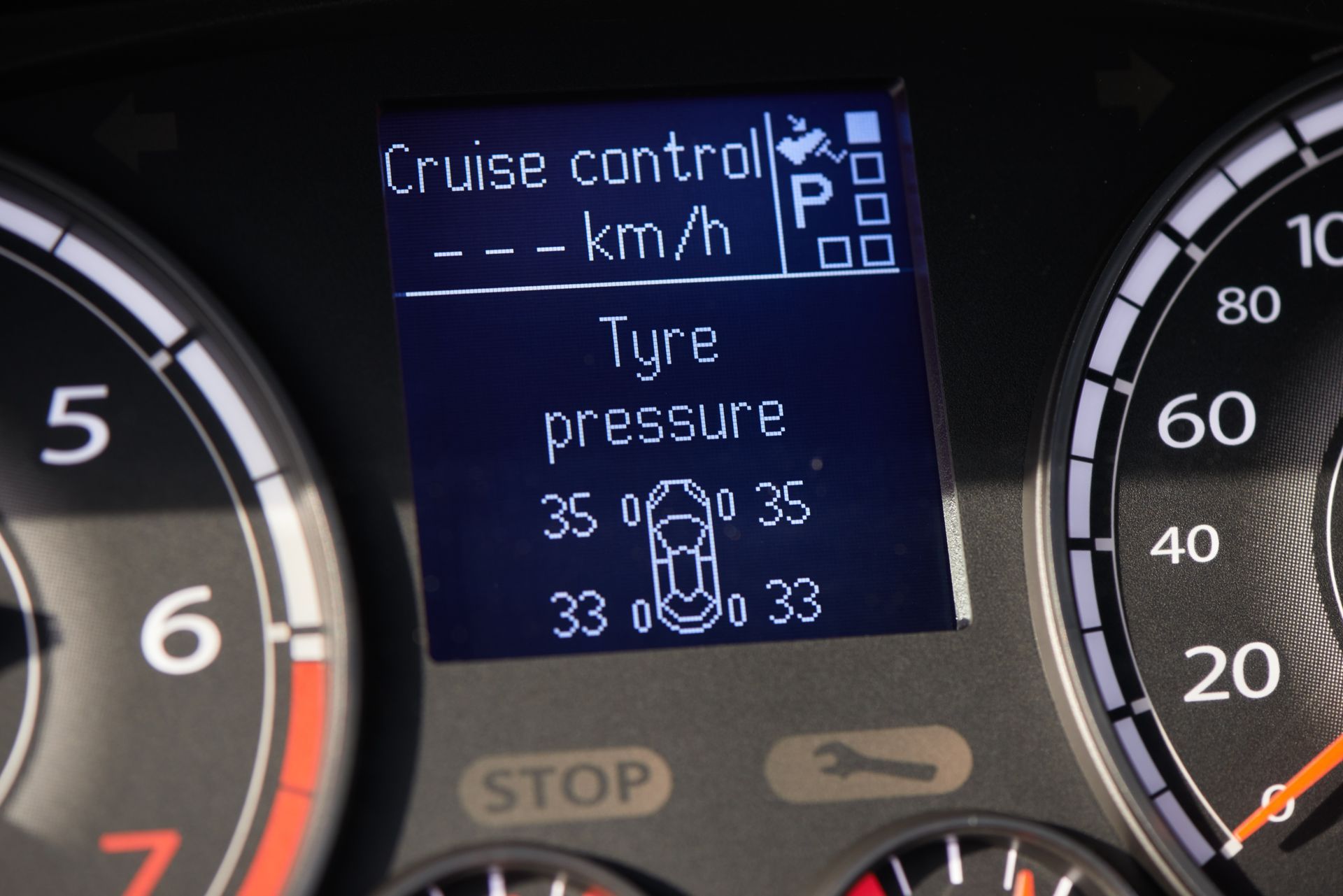
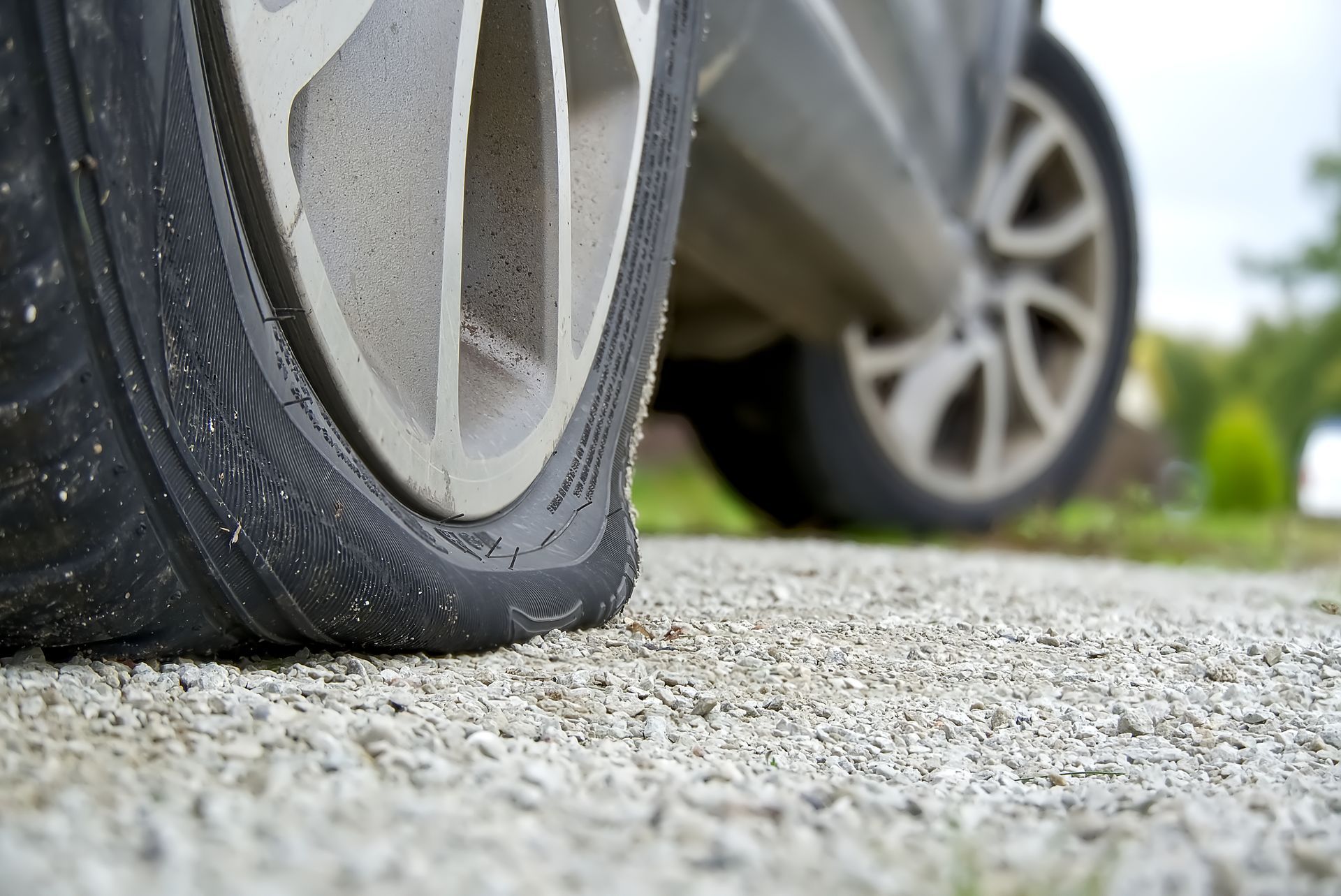
Even when all four tires are inflated correctly during service, one tire may lose pressure more quickly because of a small puncture, leaking valve stem, bead leak, or wheel corrosion.
Driving repeatedly with lower pressure can increase wear along the shoulders and generate additional heat. Overinflation can concentrate wear more toward the center of the tread. A pressure difference that continues for months can make two otherwise identical tires look very different.
Braking Problems Can Affect a Single Tire
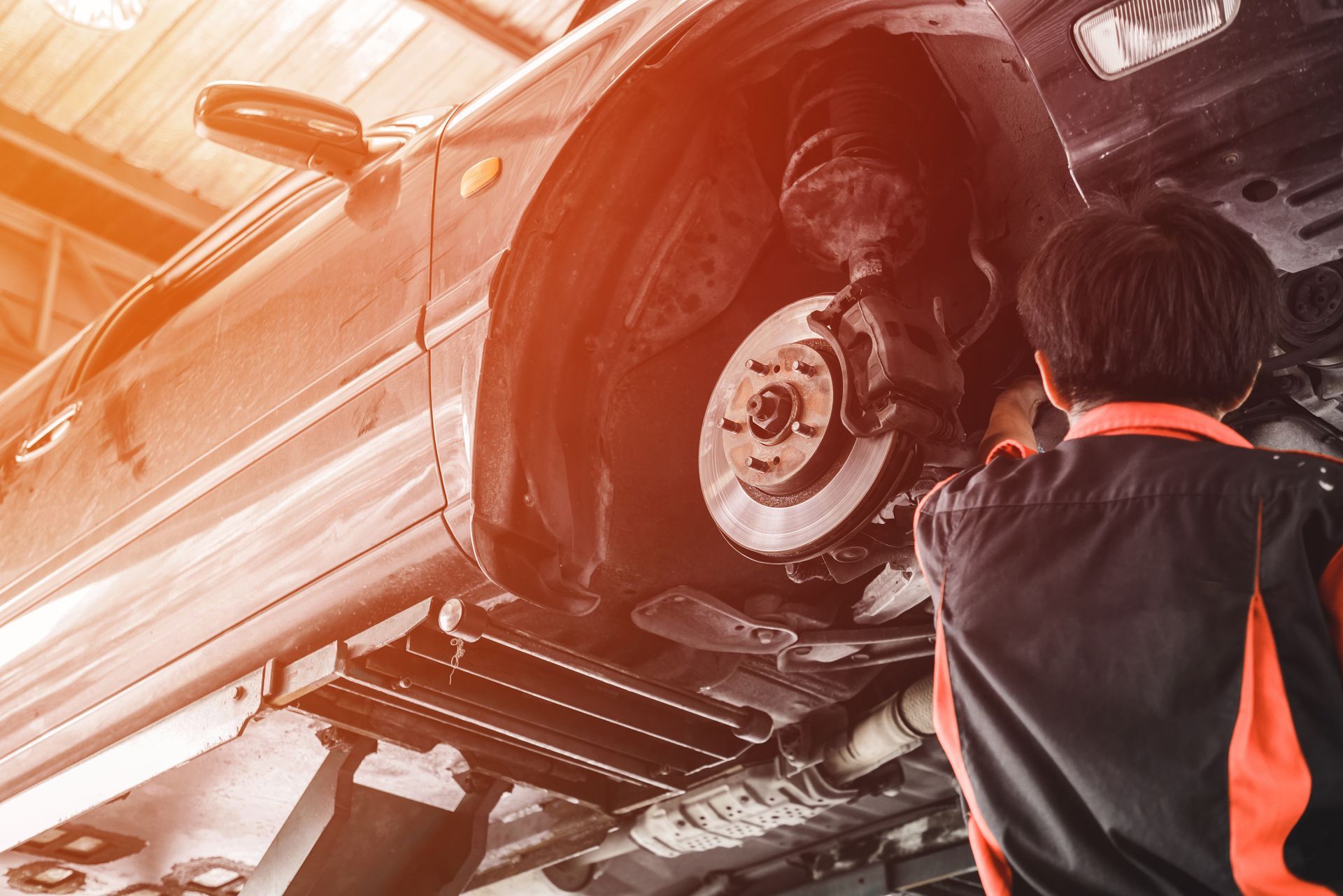
A brake caliper that does not release fully can create constant drag at one wheel. The driver may not notice much at first, especially if the drag is mild.
That extra resistance creates heat and changes the forces acting on the tire. In some cases, it can contribute to accelerated or irregular wear. A wheel that becomes noticeably hotter than the others after normal driving may deserve inspection for brake drag as well as bearing concerns.
Worn Shocks or Struts Can Cause Cupping
Shocks and struts help control how quickly the suspension moves after the tire hits a bump. If one damper becomes weak, the tire can bounce more than the tire on the opposite side.
Repeated bouncing can create cupping or scalloped wear, where sections of tread alternate between higher and lower spots around the tire. Tire imbalance, suspension looseness, or other mechanical problems can cause similar patterns, so cupping should lead to a full suspension and wheel check rather than automatic shock replacement.
Tire Rotation History Makes a Big Difference
Regular rotation helps distribute wear by moving tires between positions that experience different loads. If rotations are skipped for a long time, the tires can develop strong position-specific wear patterns.
Once severe uneven wear has developed, rotating the tires will not restore the missing tread. It may even make noise more noticeable because the worn pattern is now contacting the road from a different position. Rotation works best as preventive maintenance rather than as a correction after major wear has already occurred.
Driving Habits Can Favor One Side
Daily routes can influence tire wear more than many drivers realize. Repeated hard cornering, frequent highway ramps, tight parking maneuvers, and roads with strong crown can place different loads on one side of the vehicle.
A delivery vehicle that makes the same turns all day may develop a different tire wear pattern from a car that spends most of its time on straight highways. Driving habits rarely explain severe wear on their own, but they can amplify a smaller alignment or suspension issue.
Wheel or Tire Damage Can Change How One Corner Runs
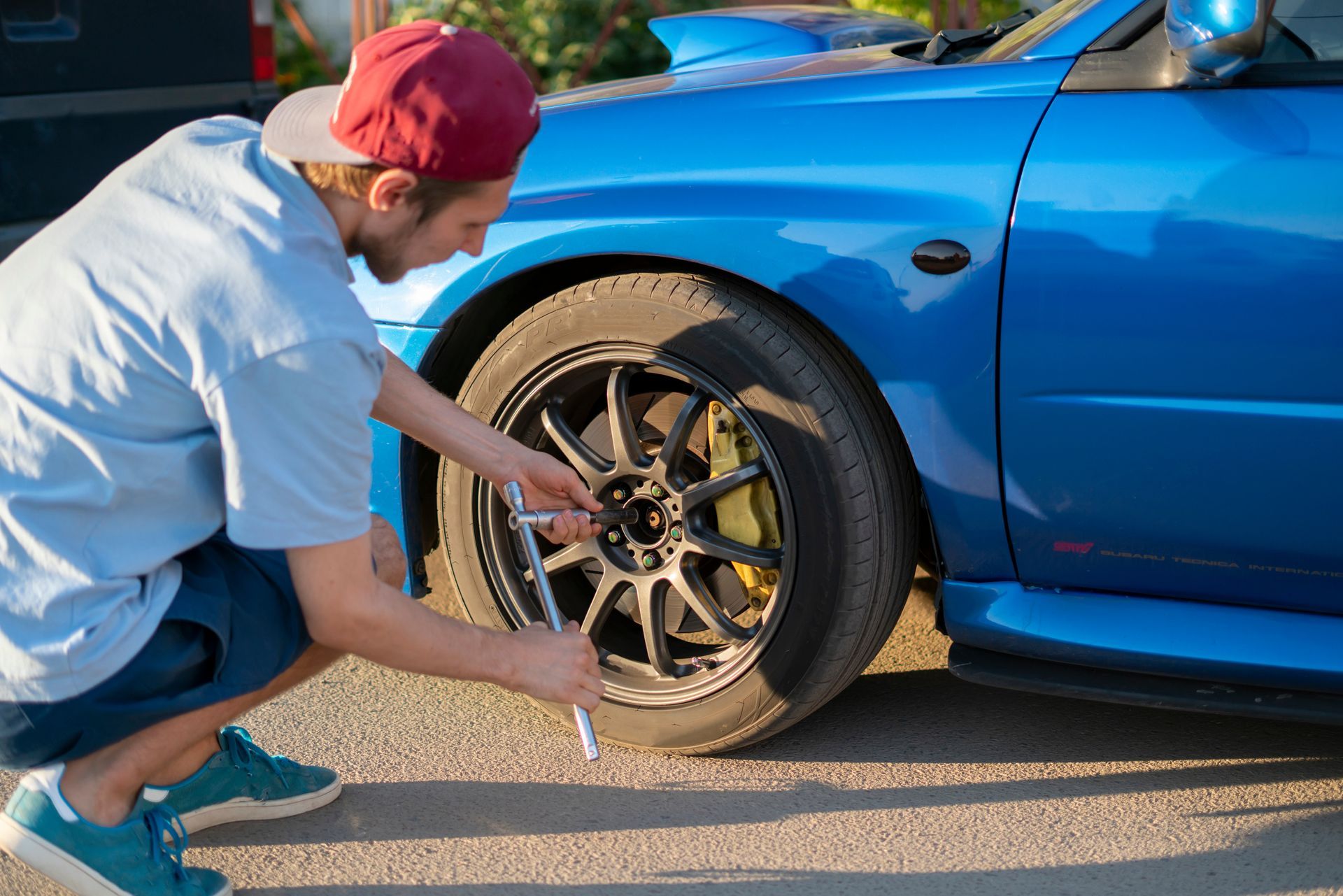
A bent wheel can cause vibration or make a tire run differently even if the damage is difficult to see. Internal tire damage, belt separation, or an improperly seated bead can also create irregular wear.
If one tire begins wearing strangely after a pothole or curb impact, inspect the wheel, tire, alignment, and suspension. Replacing the tire without checking the cause can allow the replacement to develop the same pattern.
Common Wear Patterns Give Useful Clues
Different tread patterns can point technicians toward different areas of the vehicle.
- Wear on both shoulders can suggest low pressure
- Center wear can be associated with excessive pressure
- Inner or outer edge wear can point toward alignment concerns
- Feathering often relates to toe
- Cupping can involve suspension, balance, or wheel problems
- One isolated worn area may indicate tire or wheel damage
These patterns are useful starting points, but they should not be treated as proof on their own. Several problems can produce similar-looking wear.
Fix the Cause Before Installing New Tires
A badly worn tire may need replacement, but the repair should not stop there. If alignment, suspension wear, pressure loss, or brake drag caused the damage, a new tire can begin wearing the same way almost immediately.
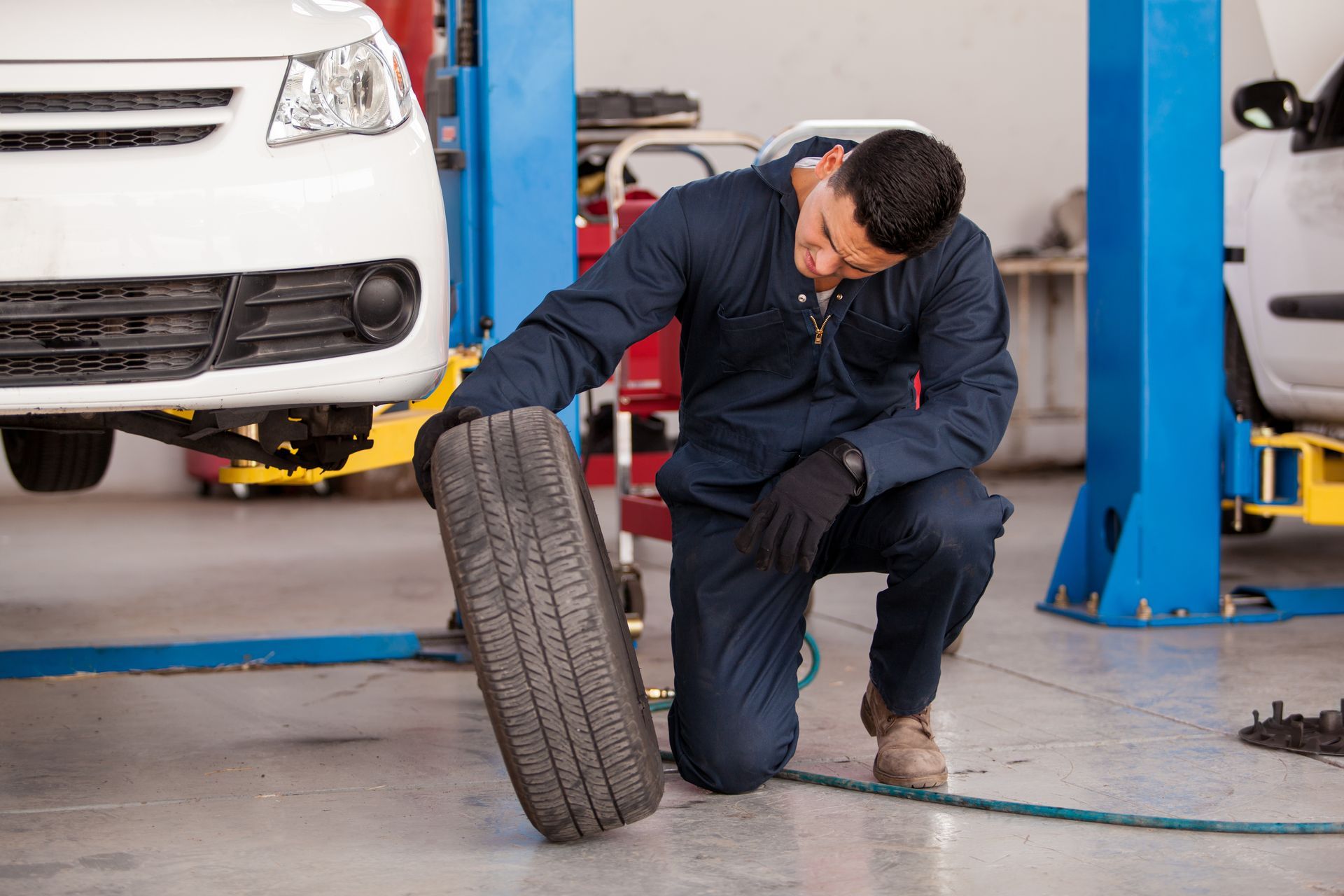
An inspection before or during tire replacement can help identify what needs correction. That may include alignment, suspension repair, wheel service, pressure leak repair, balancing, or simply returning to a consistent rotation schedule.
Get Uneven Tire Wear Inspection in Jacksonville, FL, With Power Tire
Power Tire in Jacksonville, FL, can inspect tread patterns, tire pressure, wheel condition, alignment, suspension components, and other causes of uneven tire wear.
If one tire is wearing much faster than the others or your tread patterns no longer match from side to side,
contact us to schedule a tire inspection and service.